
The Best Anti-Slip Floors for Your Bathroom
Here is how you can prevent slips in the wet areas of your bathroom with the right flooring material

The bathrooms of our home suffer constant spillage of water, which makes the floor slippery. For safety, it is highly recommended to go for slip-resistant tiles that reduce the risk of slipping or falling and do not get slippery when wet. Most of the reputed tile manufacturing brands give a slip rating to the tiles to specify the frictional resistance. This is measured by the COF (coefficient of friction) value of the tiles, where tiles having a COF value of more than 0.6 are considered to be safe for the bathrooms or other wet areas of our home.
2. Porcelain tiles
These tiles are more popular than ceramic tiles because they are comparatively stronger. Just like ceramic tiles, consider matte-finish or textured porcelain tiles with a COF value of more than 0.6 for the bathroom flooring.
Pros
These tiles are more popular than ceramic tiles because they are comparatively stronger. Just like ceramic tiles, consider matte-finish or textured porcelain tiles with a COF value of more than 0.6 for the bathroom flooring.
Pros
- Porcelain tiles are a very strong and durable flooring material. Brands such as Somany have come up with ‘slip shield’ tiles, in which an additional coating is applied onto the tiles to increase its COF value.
- The tiles are very dense, non-porous and are resistant to scratches and staining.
- Porcelain tiles are available in a variety of colours, textures and patterns. The best part about porcelain tiles is that the tiles can imitate the look of natural wood and natural stone.
- These tiles are easy to clean and maintain.
- Porcelain tiles are very dense, which makes the tiles very heavy.
- These tiles are more expensive than ceramic tiles.
3. Natural stone
The rough and irregular surface of some natural stone materials increases the grip on a wet floor. How? Natural stone creates an anti-skid surface by breaking the thin film of water into smaller droplets. This material can be installed as slabs or can be machine cut into square or rectangular tiles.
Pros
Note: Avoid natural stone materials such as polished marble or granite, because these materials become very slippery when wet.
Look for flooring tiles in Houzz products
The rough and irregular surface of some natural stone materials increases the grip on a wet floor. How? Natural stone creates an anti-skid surface by breaking the thin film of water into smaller droplets. This material can be installed as slabs or can be machine cut into square or rectangular tiles.
Pros
- Natural stone adds an element of warmth and comes with attractive grain patterns that add a lot of richness to the space. Also, no two tiles look the same.
- Natural stone materials such as slate, limestone and travertine are suitable for the bathroom and are available in various finishes. Consider a honed or tumbled finish for the bathroom flooring – a honed finish is smooth but does not have a shiny surface, while a tumbled finish is highly textured with no shine.
- Natural stone is highly porous, so it is important to periodically seal the stone to make it water- and stain-resistant.
- Another minus is that natural stone is a delicate flooring material, which can corrode with acid cleaners or strong soap-based cleaners. For routine cleaning, use a mild detergent and warm water.
Note: Avoid natural stone materials such as polished marble or granite, because these materials become very slippery when wet.
Look for flooring tiles in Houzz products
4. Cement tiles
Cement tiles have a naturally rough and porous surface that qualifies to the basic standards of slip-resistant tiles. These tiles are a great way to impart a vintage look to your bathroom and are available in bold and traditional colours and patterns.
Pros
Read more:
Bathroom Tiles: 8 Ideas to Steal From
25 Amazing Colour Combinations for Bathroom Tiles
Tell us:
Which tile material have you used for the flooring of your bathroom and why? Share in Comments below.
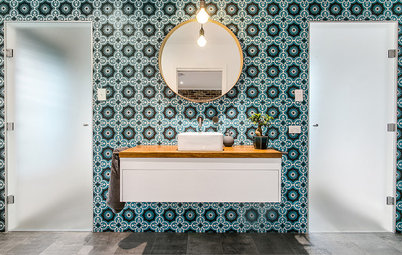
Cement tiles have a naturally rough and porous surface that qualifies to the basic standards of slip-resistant tiles. These tiles are a great way to impart a vintage look to your bathroom and are available in bold and traditional colours and patterns.
Pros
- Cement tiles are highly durable and slip-proof, which makes it a preferred material for the bathroom flooring.
- These tiles are handmade and available in a wide range of solid colours and patterns with modern or traditional motifs.
- Cement tiles are a sustainable flooring material. Unlike other conventional tiling materials, these tiles are not baked in the kiln.
- One disadvantage of cement tiles is that they are handmade, so there may be slight colour variation in each tile.
- Cement tiles are very porous and need to be periodically sealed to make them resistant to stains and fading.
Read more:
Bathroom Tiles: 8 Ideas to Steal From
25 Amazing Colour Combinations for Bathroom Tiles
Tell us:
Which tile material have you used for the flooring of your bathroom and why? Share in Comments below.
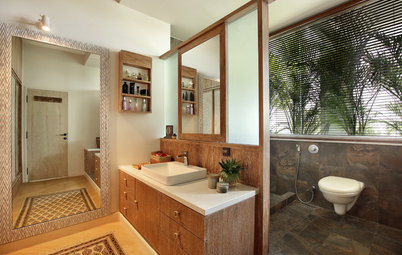

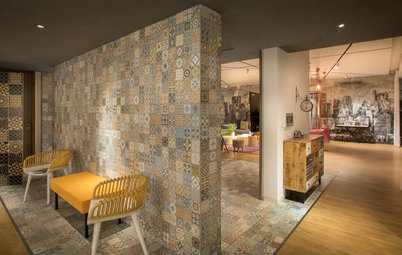
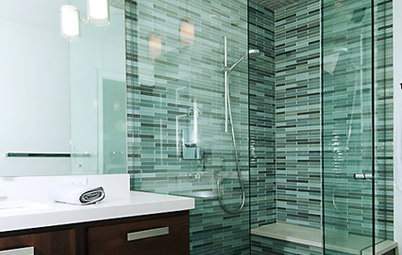
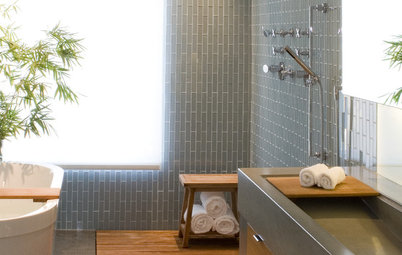
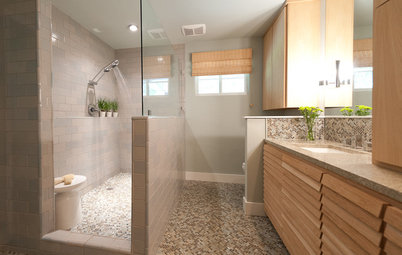
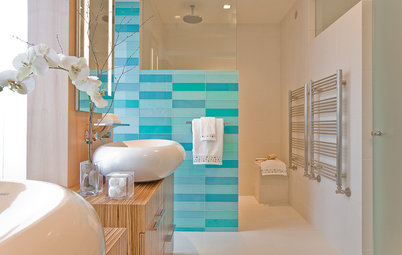
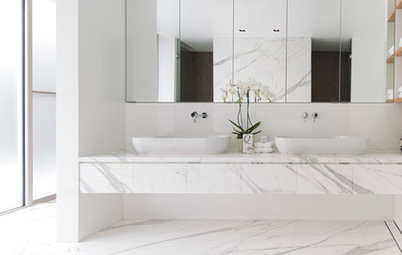
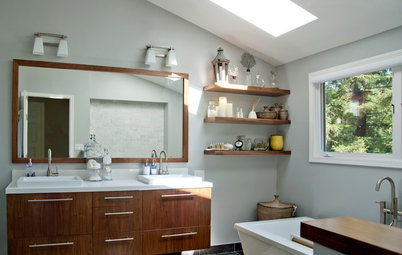
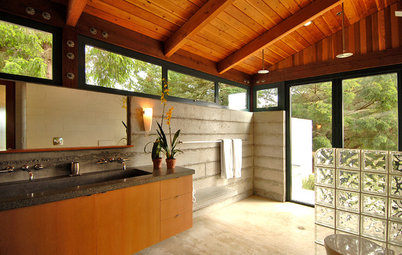
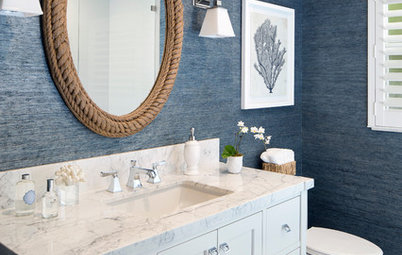
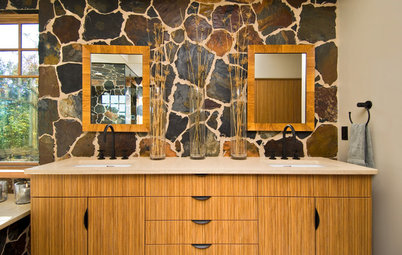
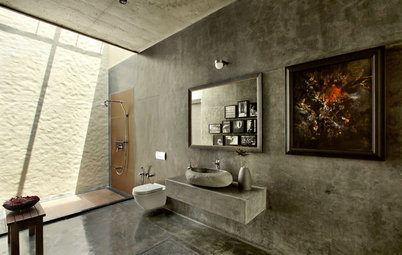
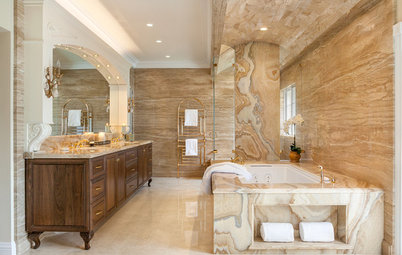
Matte-finish or textured ceramic tiles with a COF value of more than 0.6 can offer good grip and slip-resistance to the bathroom floor.
Pros
- Ceramic tiles are available in a variety of colours, textures, sizes and finishes.
- These tiles are cost-effective and a highly affordable option for the bathroom flooring.
- Ceramic tiles are easy to maintain and clean.
Cons- One disadvantage is that ceramic tiles are fragile which makes them prone to cracks and chipping.
Ceramic vs Porcelain Tiles