

A Guide To Cleaning Marble Countertops and Tiles
Acidic solutions can damage your precious marble surfaces. Here’s what you need to know to keep marble clean and looking amazing

“Nothing moves like marble,” says Stephanie Laney, lead designer for Surfaces USA, referring to the impression of movement created by the veining inherent in the carbonate stone. “We love the movement.”
What most people don’t love, however, is the concern that comes with cleaning and caring for the popular, porous surface famously susceptible to etching and staining, especially in the kitchen.
Luckily, according to marble experts, where there’s a will, there’s a way, and caring for the classic beauty of a marble surface may be easier than you think. Here’s how to clean marble countertops.
What most people don’t love, however, is the concern that comes with cleaning and caring for the popular, porous surface famously susceptible to etching and staining, especially in the kitchen.
Luckily, according to marble experts, where there’s a will, there’s a way, and caring for the classic beauty of a marble surface may be easier than you think. Here’s how to clean marble countertops.
Good to know
Avoiding acidic solutions’ coming into contact with marble applies to cleaning products as well. MIA, advises against using vinegar, lemon juice or other cleaners containing acid on marble, including bleach. Experts instead recommend only mild soap and water. “There’s nothing on a countertop that you can’t get off with soap and water,” Laney says.
Wiping down countertops and surfaces with warm, sudsy water and a non-abrasive sponge or cloth is the best method for cleaning, but it will not remove etching or stains that have had time to permeate the surface.
The most popular marble finishes are polished and honed. A polished finish has a glossy surface, reflects light and shows off the colour and markings in the marble.
A honed finish is more satiny and smoother, with little light reflection, according to the Marble Institute. This finish is common for floors, stairs and other heavily trafficked locations.
“When you buy a honed piece of marble, it’s already etched,” Laney says. “Let’s say you cut a lemon and cause some etching on the surface. You will never see it, because it is already etched.” The tradeoff: Honed marble is more porous and will stain more easily. “A polished piece of marble will stain less but etch more,” she says. So pick your poison.
Avoiding acidic solutions’ coming into contact with marble applies to cleaning products as well. MIA, advises against using vinegar, lemon juice or other cleaners containing acid on marble, including bleach. Experts instead recommend only mild soap and water. “There’s nothing on a countertop that you can’t get off with soap and water,” Laney says.
Wiping down countertops and surfaces with warm, sudsy water and a non-abrasive sponge or cloth is the best method for cleaning, but it will not remove etching or stains that have had time to permeate the surface.
The most popular marble finishes are polished and honed. A polished finish has a glossy surface, reflects light and shows off the colour and markings in the marble.
A honed finish is more satiny and smoother, with little light reflection, according to the Marble Institute. This finish is common for floors, stairs and other heavily trafficked locations.
“When you buy a honed piece of marble, it’s already etched,” Laney says. “Let’s say you cut a lemon and cause some etching on the surface. You will never see it, because it is already etched.” The tradeoff: Honed marble is more porous and will stain more easily. “A polished piece of marble will stain less but etch more,” she says. So pick your poison.
Island light
Laney says kitchen islands topped with marble are usually the No. 1 place you will notice etching. “It’s in the centre of the kitchen, and it catches the light because you don’t have a backsplash to guard the glare,” she says.
Know these things before designing a kitchen island
Laney says kitchen islands topped with marble are usually the No. 1 place you will notice etching. “It’s in the centre of the kitchen, and it catches the light because you don’t have a backsplash to guard the glare,” she says.
Know these things before designing a kitchen island
Sealer
To reduce stains and etching, Laney recommends applying a spray sealant at least once a month. “Sealers are like buying time,” she says. “What it is doing is sealing the top of the marble so things won’t penetrate quickly.
“If you were to spill red wine on a countertop and leave it overnight, you will have a stain, no matter what. However, if you wipe it up instead of leaving it sit, the sealant provides a barrier. It allows us time to clean our stains before they penetrate into the surface and actually stain it.”
She uses a cleaner twice a month on her marble countertop. “I don’t have one stain on my marble countertop,” she says, “I have etching, but I don’t have stains.”
To reduce stains and etching, Laney recommends applying a spray sealant at least once a month. “Sealers are like buying time,” she says. “What it is doing is sealing the top of the marble so things won’t penetrate quickly.
“If you were to spill red wine on a countertop and leave it overnight, you will have a stain, no matter what. However, if you wipe it up instead of leaving it sit, the sealant provides a barrier. It allows us time to clean our stains before they penetrate into the surface and actually stain it.”
She uses a cleaner twice a month on her marble countertop. “I don’t have one stain on my marble countertop,” she says, “I have etching, but I don’t have stains.”
Stains and solutions
Not all of us are as fortunate as Laney, however. In spite of our best intentions, sometimes stains happen. The Marble Institute offers the following solutions for common problems.
Oil-based stains (grease, cooking oil, cosmetics)
Clean gently with a soft liquid cleanser, household detergent, ammonia or mineral spirits.
Organic stains (coffee, tea, fruit, food)
Clean with a mixture of 12 percent hydrogen peroxide and a few drops of ammonia.
Here’s how to make your own, non-toxic household cleaners
Not all of us are as fortunate as Laney, however. In spite of our best intentions, sometimes stains happen. The Marble Institute offers the following solutions for common problems.
Oil-based stains (grease, cooking oil, cosmetics)
Clean gently with a soft liquid cleanser, household detergent, ammonia or mineral spirits.
Organic stains (coffee, tea, fruit, food)
Clean with a mixture of 12 percent hydrogen peroxide and a few drops of ammonia.
Here’s how to make your own, non-toxic household cleaners
Paint stains
Small amounts can be removed with lacquer thinner or scraped off carefully with a razor blade.
Small amounts can be removed with lacquer thinner or scraped off carefully with a razor blade.
Etches and solutions
Acidic substances like milk, fruit, juice and alcohol will sometimes cause both etching and staining – a double whammy.
If you are successful in removing the stain and want to attack the etching, the MIA suggests wetting the surface with water and sprinkling on marble polishing powder. Rub the powder into the stone with a damp cloth or use a buffing pad with a low-speed power drill or polisher. Continue buffing until the etch mark disappears and the marble surface shines. Honing may be required for deep etching.
“If your counter does end up staining, you can have a professional come in and take the sealer and the stain off,” Laney says. “But what’s going to happen is you are going to end up with a honed countertop, because you can’t re-polish the installed marble like you would at the fabricators or the stone suppliers.”
Acidic substances like milk, fruit, juice and alcohol will sometimes cause both etching and staining – a double whammy.
If you are successful in removing the stain and want to attack the etching, the MIA suggests wetting the surface with water and sprinkling on marble polishing powder. Rub the powder into the stone with a damp cloth or use a buffing pad with a low-speed power drill or polisher. Continue buffing until the etch mark disappears and the marble surface shines. Honing may be required for deep etching.
“If your counter does end up staining, you can have a professional come in and take the sealer and the stain off,” Laney says. “But what’s going to happen is you are going to end up with a honed countertop, because you can’t re-polish the installed marble like you would at the fabricators or the stone suppliers.”
Dirty trick
If stains are particularly stubborn, consider applying a paste-like cleaning agent. Premixed commercial products that require adding only water can be purchased from supply companies.
Application is straightforward. Mix the paste according to the directions; it should have the consistency of a thick peanut butter. Slather it on the stained surface. Apply the paste about ¼ to ½ inch thick, beyond the outside of the stain. Use a wood or plastic spatula to apply the paste evenly.
After you have applied the paste, the MIA advises covering it with plastic wrap and using tape to tape the edges down. Let it sit for 24 to 48 hours. After that, remove the plastic and allow the paste to dry. The drying process should pull the stain from the stone.
Once it has dried, remove the mixture (using a wood or plastic scraper if necessary), rinse with distilled water and dry with a soft cloth.
Repeat if necessary.
If stains are particularly stubborn, consider applying a paste-like cleaning agent. Premixed commercial products that require adding only water can be purchased from supply companies.
Application is straightforward. Mix the paste according to the directions; it should have the consistency of a thick peanut butter. Slather it on the stained surface. Apply the paste about ¼ to ½ inch thick, beyond the outside of the stain. Use a wood or plastic spatula to apply the paste evenly.
After you have applied the paste, the MIA advises covering it with plastic wrap and using tape to tape the edges down. Let it sit for 24 to 48 hours. After that, remove the plastic and allow the paste to dry. The drying process should pull the stain from the stone.
Once it has dried, remove the mixture (using a wood or plastic scraper if necessary), rinse with distilled water and dry with a soft cloth.
Repeat if necessary.
Marble floors
For marble flooring, the Marble Institute advises dust-mopping floors frequently and cleaning with a mild liquid dishwashing soap or powder, or a stone soap. Soapless cleaners minimise streaks and film. After washing, rinse with clean water and dry.
Learn how to choose the right marble for your floor
For marble flooring, the Marble Institute advises dust-mopping floors frequently and cleaning with a mild liquid dishwashing soap or powder, or a stone soap. Soapless cleaners minimise streaks and film. After washing, rinse with clean water and dry.
Learn how to choose the right marble for your floor
The MIA also cautions against using cleaners that contain acid, such as bathroom cleaners, grout cleaners, and tub and tile cleaners, which can cause etching.
In addition, avoid using old vacuums, because metal attachments and well-worn wheels may scratch the surface.
In addition, avoid using old vacuums, because metal attachments and well-worn wheels may scratch the surface.
Marble in the bathroom
Laney says using marble in the bathroom or powder room is usually a safe bet, because the stone won’t be exposed to the same type of treatment it would get in the kitchen. A little toothpaste isn’t going to hurt.
Laney says using marble in the bathroom or powder room is usually a safe bet, because the stone won’t be exposed to the same type of treatment it would get in the kitchen. A little toothpaste isn’t going to hurt.
To minimise soap scum in the shower, the MIA recommends using a squeegee after each use to wipe away the water and residue. It also suggests cleaning with a non-acidic residue remover or solution of ammonia and water (about ½ cup ammonia to 1 gallon water), but warns that frequent use or overuse of an ammonia solution may eventually dull the surface of the stone. So, take it easy.
Laney also recommends carefully sealing the marble in the bathroom area. “Especially in the pan of a shower,” she says. “That’s really where the most wear and tear is going to happen in a bathroom. And don’t use bleach. If you bleach it, it will break the shine down. Stick to soap and water.”
Laney also recommends carefully sealing the marble in the bathroom area. “Especially in the pan of a shower,” she says. “That’s really where the most wear and tear is going to happen in a bathroom. And don’t use bleach. If you bleach it, it will break the shine down. Stick to soap and water.”
One last tip
If you like to entertain and often use your marble countertop for food service during parties, Laney suggests having a special pad made to protect the marble. “There are companies out there who make furniture pads for tables,” she says. “If you’re going to serve wine but may not be there to clean it up in case of a spill, you might want to have a pad made for special occasions.”
Read more:
8 Lesser Known Facts About Italian Marble
Tell us:
How do you maintain your marble countertop and tiles? Tell us in the Comments below.
If you like to entertain and often use your marble countertop for food service during parties, Laney suggests having a special pad made to protect the marble. “There are companies out there who make furniture pads for tables,” she says. “If you’re going to serve wine but may not be there to clean it up in case of a spill, you might want to have a pad made for special occasions.”
Read more:
8 Lesser Known Facts About Italian Marble
Tell us:
How do you maintain your marble countertop and tiles? Tell us in the Comments below.

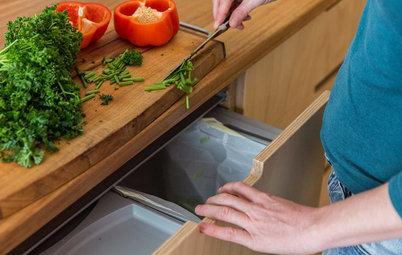

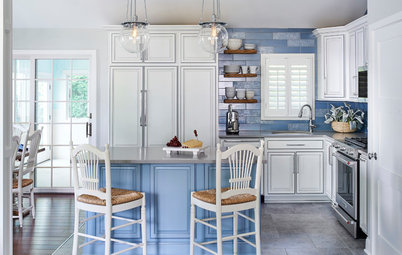
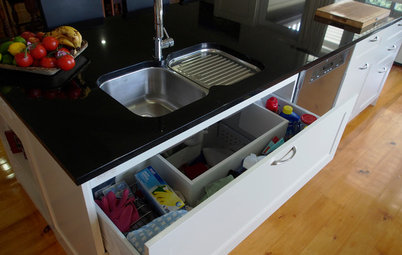
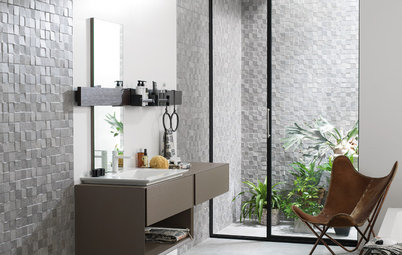
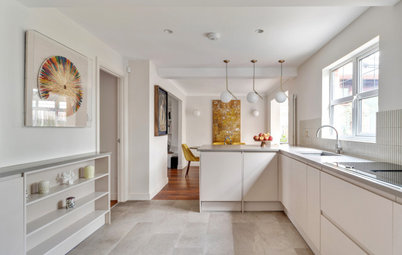
“What people have to look out for is not necessarily staining, but etching,” Laney says. “Because anything that is acidic is going to etch the surface. That’s just the way it is.”
Etching on a marble surface happens when something like lemon juice, alcohol or tomato sauce is splashed, dripped or spilled onto it. If it is not wiped up right away, the acid reacts and eats away at the calcium carbonate in the stone, creating permanent markings that look like dull, slightly darker spots or rings on the marble. How light hits the marble determines how noticeable the etching is. In some light, the scarring will not be evident at all, while certain lighting will reveal the dulled areas.
Many consumers visit restaurants, ice cream parlours, bars and other public venues that use marble countertops to check out what a working marble surface looks like and to decide whether they can happily live with the reality.