



8 Challenges for First-Time Kitchen Gardeners
Here is a handy guide to solving the most common problems faced when you start your own kitchen garden

You have got your pots, a bag of soil from the nursery and a few seeds and saplings. You have filled the pots with the soil, sown the seeds and planted the saplings, and placed them on your windowsill or the balcony. You have started to water them twice a day with love and care, hoping to harvest the fruit of your labour soon. But the fruit never comes. Forget the fruit, the seed doesn’t sprout at all!
Fret no more, for you are not alone. Like any other relationship, you need to work with your plants to understand them better. The more you grow, the more you will learn. And the more you learn, more will grow. With that, I will introduce you to the eight most common problems that new gardeners face in addition to gardening tips to work through them.
Fret no more, for you are not alone. Like any other relationship, you need to work with your plants to understand them better. The more you grow, the more you will learn. And the more you learn, more will grow. With that, I will introduce you to the eight most common problems that new gardeners face in addition to gardening tips to work through them.
2. Plants too ‘leggy’ or weak
Possible reasons: There is not enough sunlight or not enough nutrition in the soil or there are too many seedlings fighting for sunlight and nutrition in a small space
Check: Plants become ‘leggy’ when they have to look up too high for light. If there is competition for nutrition in a small space, a few plants will survive and the rest will grow weak and die.
Tip: Use seed starters (small cups for each seed to germinate) and then transplant. Or if sowing directly, don’t sprinkle too many seeds close together.
Possible reasons: There is not enough sunlight or not enough nutrition in the soil or there are too many seedlings fighting for sunlight and nutrition in a small space
Check: Plants become ‘leggy’ when they have to look up too high for light. If there is competition for nutrition in a small space, a few plants will survive and the rest will grow weak and die.
Tip: Use seed starters (small cups for each seed to germinate) and then transplant. Or if sowing directly, don’t sprinkle too many seeds close together.
3. Leaves drooping or turning yellow
Possible reasons: Plants are thirsty for water or are deficient in a mineral that they need.
Check: Dry soil and drooping leaves are the most visible signs of your plant being thirsty for water. How much water your plant needs depends on the type of pot you use, the type of soil, the sunlight and temperature that the plant is exposed to, and the amount of water it gets. Adjust your irrigation so that your plant is adequately watered – not too much and not too little.
Leaves turning yellow could be a sign of overwatering, insects or too much sunlight. Keep adjusting these water and suntill you find a combination that keeps your plant’s leaves plump and green. Healthy plants look lively. Attend to insect pests immediately. More on that next.
Tip: Get into a habit of observing your home garden plants daily.
Find a landscape designer to help design your garden
Possible reasons: Plants are thirsty for water or are deficient in a mineral that they need.
Check: Dry soil and drooping leaves are the most visible signs of your plant being thirsty for water. How much water your plant needs depends on the type of pot you use, the type of soil, the sunlight and temperature that the plant is exposed to, and the amount of water it gets. Adjust your irrigation so that your plant is adequately watered – not too much and not too little.
Leaves turning yellow could be a sign of overwatering, insects or too much sunlight. Keep adjusting these water and suntill you find a combination that keeps your plant’s leaves plump and green. Healthy plants look lively. Attend to insect pests immediately. More on that next.
Tip: Get into a habit of observing your home garden plants daily.
Find a landscape designer to help design your garden
4. Bugs and other insects
Possible reasons: Not enough sunshine or plants are weak.
Check: Most of the time, proper sunshine will take care of keeping most insects away but several reasons can bring on an insect attack that will leave you baffled. The most common infestation is that of a sticky white insect called mealybug. You might also encounter ants and other pests, including non-insect ones such as rodents, pigeons, etc.
First of all, understand that not all insects and bugs are bad for the plants. Some insects are required for pollination too. So don’t be overly harsh with this menace. Mealybug infestations should be nipped in the bud. Use neem, alcohol or even nicotine water sprays.
Tip: Keep the soil only lightly moist – too much water attracts insects. Use nets and other protection devices against rodents and birds.
Take a look at gorgeous gardens from around the world
Possible reasons: Not enough sunshine or plants are weak.
Check: Most of the time, proper sunshine will take care of keeping most insects away but several reasons can bring on an insect attack that will leave you baffled. The most common infestation is that of a sticky white insect called mealybug. You might also encounter ants and other pests, including non-insect ones such as rodents, pigeons, etc.
First of all, understand that not all insects and bugs are bad for the plants. Some insects are required for pollination too. So don’t be overly harsh with this menace. Mealybug infestations should be nipped in the bud. Use neem, alcohol or even nicotine water sprays.
Tip: Keep the soil only lightly moist – too much water attracts insects. Use nets and other protection devices against rodents and birds.
Take a look at gorgeous gardens from around the world
5. Plants not flowering
Possible reasons: Lack of sunlight, lack of nutrition or it’s not the right season.
Check: For the plant to start flowering and then eventually convert to fruit, it needs both external factors like the right temperature and sunlight, and internal health that comes through the soil. If it’s the right season for the plant to flower then ensure that the soil is adequately fertilised and there is enough sunlight.
Possible reasons: Lack of sunlight, lack of nutrition or it’s not the right season.
Check: For the plant to start flowering and then eventually convert to fruit, it needs both external factors like the right temperature and sunlight, and internal health that comes through the soil. If it’s the right season for the plant to flower then ensure that the soil is adequately fertilised and there is enough sunlight.
6. Flowers dropping without growing into fruits
Possible reasons: No pollination or lack of nutrition
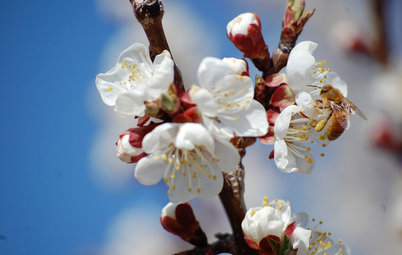
Check: Flowers will need to be pollinated to develop into fruit. If wind and insects are not available for this function, you can aid pollination by gently shaking the flower stalks or even by transferring pollen by a small soft paintbrush from stamen to stigma. lPlamts need air circulation. If you are using a closed space like a windowsill, ensure that you open the windows regularly for breeze. A draft from the air-conditioner or a fan cannot substitute and can actually harm the plant too.
Possible reasons: No pollination or lack of nutrition
Check: Flowers will need to be pollinated to develop into fruit. If wind and insects are not available for this function, you can aid pollination by gently shaking the flower stalks or even by transferring pollen by a small soft paintbrush from stamen to stigma. lPlamts need air circulation. If you are using a closed space like a windowsill, ensure that you open the windows regularly for breeze. A draft from the air-conditioner or a fan cannot substitute and can actually harm the plant too.
7. Fruit is too small
Possible reasons: There is not enough sunlight or not enough nutrition.
Check: The formation of healthy fruits and vegetables needs lots of sunlight and nutritious soil. Your plants will probably need eight hours of proper sunlight, so make sure your pots are placed such that they get their quota. Too many plants in one pot will also yield smaller fruit. Usually the leaves and fruit of the plants growing in the ground are bigger when than those in a pot. Choose the right size of pots and don’t overcrowd.
Possible reasons: There is not enough sunlight or not enough nutrition.
Check: The formation of healthy fruits and vegetables needs lots of sunlight and nutritious soil. Your plants will probably need eight hours of proper sunlight, so make sure your pots are placed such that they get their quota. Too many plants in one pot will also yield smaller fruit. Usually the leaves and fruit of the plants growing in the ground are bigger when than those in a pot. Choose the right size of pots and don’t overcrowd.
8. Plants dying/drying out
Possible reasons : Plants are very strong but also very fragile. They can die for any number of reasons. Overwatering, underwatering, non-conducive temperature or humidity, insect attack, root rot or a totally unfathomable reason.
Check: First of all, observe your plant every day. Early signs of a problem can be detected and treated. We are so out of touch with nature that we feel some mysterious forces are at work. But the more you work with your plants, the more you will know your plants and your garden.
Tip: Don’t hesitate to experiment and Google the bejeebers out of the internet about growing vegetables at home and their condition.
Possible reasons : Plants are very strong but also very fragile. They can die for any number of reasons. Overwatering, underwatering, non-conducive temperature or humidity, insect attack, root rot or a totally unfathomable reason.
Check: First of all, observe your plant every day. Early signs of a problem can be detected and treated. We are so out of touch with nature that we feel some mysterious forces are at work. But the more you work with your plants, the more you will know your plants and your garden.
Tip: Don’t hesitate to experiment and Google the bejeebers out of the internet about growing vegetables at home and their condition.
Rookie mistake
Finally, all’s going well but you have forgotten what you had sown and in which pot. Remember to put plant markers or just stick a picture of the plant or the seed packet in the pot when you sow the seeds. Soon, you’ll start recognising the plants from the first tiny leaves that peep out of the soil. You will become an experienced gardener and won’t need the markers any more. The tags still look cute, though.
Finally, all’s going well but you have forgotten what you had sown and in which pot. Remember to put plant markers or just stick a picture of the plant or the seed packet in the pot when you sow the seeds. Soon, you’ll start recognising the plants from the first tiny leaves that peep out of the soil. You will become an experienced gardener and won’t need the markers any more. The tags still look cute, though.
Tip: The key to becoming a successful kitchen gardener is continuous experimentation. Each garden, terrace, balcony, windowsill has its own micro-climate. When you combine that with variables like type of pot used, type of soil, position, amount of sunlight received, etc., it creates a unique environment that you can get a grip on only when you continue with your gardening adventure for a long time.
Try moving plants to a different location or change the watering pattern or try a different organic fertiliser. For example, my plants used to do really well on my windowsill. Once I got the glass panelling done on the window, they suddenly started getting scorched. It took me a while to understand that my plants on the same window started facing temperatures as high as 45ºC because of the green house effect of the glass. Keeping the glass window open during the hours of direct sunlight solved my problem.
Try moving plants to a different location or change the watering pattern or try a different organic fertiliser. For example, my plants used to do really well on my windowsill. Once I got the glass panelling done on the window, they suddenly started getting scorched. It took me a while to understand that my plants on the same window started facing temperatures as high as 45ºC because of the green house effect of the glass. Keeping the glass window open during the hours of direct sunlight solved my problem.
Tip: Always be open to talking to other neighbourhood kitchen gardeners about the challenges you may be facing. They will happily share their kitchen garden ideas and solutions, which may be more suitable for you because you share similar microclimates.
Read more:
7 Steps to a Kitchen Garden in a Small Apartment
How to Grow a Green Thumb
Tell us: What has been your biggest challenge with your kitchen garden? Write in Comments below.
Read more:
7 Steps to a Kitchen Garden in a Small Apartment
How to Grow a Green Thumb
Tell us: What has been your biggest challenge with your kitchen garden? Write in Comments below.
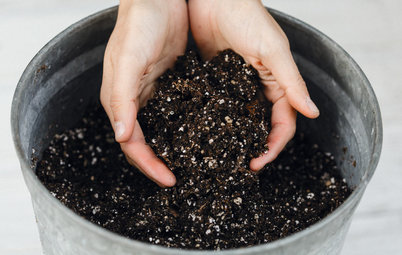



Possible reasons: The seeds are not good; they’re too old; you have been watering them too much or too little; they are buried too deep in the soil or the temperature is not conducive to growth
Check: Most home vegetable garden seeds germinate quickly and most of them can germinate against the odds. So, it is only the most extreme conditions from the list above that can cause the seed to not germinate at all. The most common reason for them to not sprout is because old seeds have been used or you have watered them too much.