

How to Make a Miniature Garden
Here is a guide to setting up a magical miniature garden that packs the life, beauty and calm of a garden into a container

Who said you need a large space to enjoy the beauty and pleasure of a garden. With miniature gardens, you can have a beautiful garden that fits in a corner of the smallest room or home. Table-top gardens, as they are also called, are a wonderful way to incorporate an entire palette of flora in a single container, also adding a new dimension to any space in which they are kept. These gardens are real live ones, just on a very small scale: real-life garden scenes shrunk in size to fit a container. They are portable, which is a bonus. There are a number of plants, herbs, and succulents that can thrive in such an arrangement. When planted correctly, they stay in scale to maintain the proportions of a little fairy dell or Zen retreat or any other theme you choose. The process of making such a garden is just as enjoyable as the garden itself, and here is a sneak-peek into how to do it.
2. Herbs and plants
Choose from a wide variety of shrubs, herbs, and succulents and get creative with the landscape of your mini garden. Here is a list of the most common plants that can live in the mini set-up for 10 years or more, provided they are looked after well.
Grass and ground cover: Baby tears (Soleirolia soleirolii), woolly thyme (Thymus pseudolanuginosus), stonecrop (Sedums pp.), Irish moss (Sagina subulata), Scotch moss (Sagina subulata ‘Aurea’), dwarf mondo grass (Ophiopogon japonicus), Corsican mint (Mentha requienii), creeping fig vine (Ficus pumila), sugar vine (Parthenocissus striata).
Trees and shrubs: English boxwood (Buxus sempervirens ‘Suffruticosa’), lemon cypress (Cupressus macrocarpa ‘Goldcrest’), false cypress (Chamaecyparis), parlour palm (Chamaedorea elegans), Norfolk pine (Araucaria heterophylla), various junipers (Juniperus), dwarf spruce (Picea glauca), dwarf mugo pine (Pinus mugo).
Succulents and cacti: Hens and chicks (Sempervivum tectorum), baby toes (Fenestraria), ice plant (Aizoaceae), zebra cactus (Haworthia), jade plant (Crassula ovata) burro’s tail (Sedum morganianum),
Flowering plants: Miniature daisies (Bellium), miniature roses (Rosa), wild hyacinth (Camassia), pansies (Viola tricolor var. hortensis), blue moneywort (Lindernia grandiflora).
Colourful foliage and other plants: Begonia (Begonia crenata), coleus (Plectranthus scutellarioides), polka dot plant (Hypoestes phyllostachya), asparagus fern (Asparagus aethiopicus), lavender cotton (Santolina incana).
Choose from a wide variety of shrubs, herbs, and succulents and get creative with the landscape of your mini garden. Here is a list of the most common plants that can live in the mini set-up for 10 years or more, provided they are looked after well.
Grass and ground cover: Baby tears (Soleirolia soleirolii), woolly thyme (Thymus pseudolanuginosus), stonecrop (Sedums pp.), Irish moss (Sagina subulata), Scotch moss (Sagina subulata ‘Aurea’), dwarf mondo grass (Ophiopogon japonicus), Corsican mint (Mentha requienii), creeping fig vine (Ficus pumila), sugar vine (Parthenocissus striata).
Trees and shrubs: English boxwood (Buxus sempervirens ‘Suffruticosa’), lemon cypress (Cupressus macrocarpa ‘Goldcrest’), false cypress (Chamaecyparis), parlour palm (Chamaedorea elegans), Norfolk pine (Araucaria heterophylla), various junipers (Juniperus), dwarf spruce (Picea glauca), dwarf mugo pine (Pinus mugo).
Succulents and cacti: Hens and chicks (Sempervivum tectorum), baby toes (Fenestraria), ice plant (Aizoaceae), zebra cactus (Haworthia), jade plant (Crassula ovata) burro’s tail (Sedum morganianum),
Flowering plants: Miniature daisies (Bellium), miniature roses (Rosa), wild hyacinth (Camassia), pansies (Viola tricolor var. hortensis), blue moneywort (Lindernia grandiflora).
Colourful foliage and other plants: Begonia (Begonia crenata), coleus (Plectranthus scutellarioides), polka dot plant (Hypoestes phyllostachya), asparagus fern (Asparagus aethiopicus), lavender cotton (Santolina incana).
3. Soil for the pot
Gravel and soil will be the tango partners here. Normal potting soil that can be fetched from any local nursery near your home, with a handful of compost, will be an ideal mix for filling your container before you start with plantation. You may also require small stones or gravel, with textured marbles and pebbles, depending on the type of vessel you are using and for decorating the landscape of your mini garden.
Gravel and soil will be the tango partners here. Normal potting soil that can be fetched from any local nursery near your home, with a handful of compost, will be an ideal mix for filling your container before you start with plantation. You may also require small stones or gravel, with textured marbles and pebbles, depending on the type of vessel you are using and for decorating the landscape of your mini garden.
Poly resin mushroom house ( small & medium) ( set of 2)
4. Accessories
Accessories set the scale of the garden – the size of the accessory influences the perception of the size of the garden. You can have many accessories, but they must all match in scale to each other and to the garden.
There are lots of accessories available in the market, such as fairy figurines, birds, snails, ladders and ponds. You could also make tiny accessories on your own, to satisfy your creative self. You can collect accessories based on the theme on which you want to base your garden, such as a beach garden, a fairy garden, or a park.
Accessories set the scale of the garden – the size of the accessory influences the perception of the size of the garden. You can have many accessories, but they must all match in scale to each other and to the garden.
There are lots of accessories available in the market, such as fairy figurines, birds, snails, ladders and ponds. You could also make tiny accessories on your own, to satisfy your creative self. You can collect accessories based on the theme on which you want to base your garden, such as a beach garden, a fairy garden, or a park.
HOW TO CREATE A MINIATURE GARDEN
1. Layer the container
Once everything mentioned above is in place, begin with layering the container with the potting soil mix. If the vessel is too deep, you may incorporate one or two layers of pebbles before pouring in the soil. Also, spread a layer of gravel at the bottom, if you are using glass containers, for better absorption of nutrients. If you want the plants at the back displayed better, you can fill in the soil in a sloping fashion or in stepped levels: higher at the back, lower in front.
2. Planting the greens
Now, this is interesting but also tricky. To avoid any kind of cluttering later on, decide on the layout of the garden early in the planning stage and allocate spots to place your accessories and plants accordingly. Choose your plants and carefully take them out of their pots, keeping their root balls intact. Dust off any extra mud that is around the root balls before gently pressing the plants into their designated holes. Prune any dried-up leaves or portions of plants overgrowing your landscape.
Set out an area of ground cover from the options suggested above or any other type you like (plants, gravel, and so on). If you want to showcase your dwarf trees and plants, plant them at the back with flowering plants and ground cover at the front and sides to impart a broad and roomy tone to the entire set-up.
1. Layer the container
Once everything mentioned above is in place, begin with layering the container with the potting soil mix. If the vessel is too deep, you may incorporate one or two layers of pebbles before pouring in the soil. Also, spread a layer of gravel at the bottom, if you are using glass containers, for better absorption of nutrients. If you want the plants at the back displayed better, you can fill in the soil in a sloping fashion or in stepped levels: higher at the back, lower in front.
2. Planting the greens
Now, this is interesting but also tricky. To avoid any kind of cluttering later on, decide on the layout of the garden early in the planning stage and allocate spots to place your accessories and plants accordingly. Choose your plants and carefully take them out of their pots, keeping their root balls intact. Dust off any extra mud that is around the root balls before gently pressing the plants into their designated holes. Prune any dried-up leaves or portions of plants overgrowing your landscape.
Set out an area of ground cover from the options suggested above or any other type you like (plants, gravel, and so on). If you want to showcase your dwarf trees and plants, plant them at the back with flowering plants and ground cover at the front and sides to impart a broad and roomy tone to the entire set-up.
3. Add the accessories
You will put in your accessories now, but their placement should have been planned beforehand, and spaces left for them when setting out the plants. They control the theme and scale, after all.
In wintertime or when Christmas is near, wouldn’t it be great to decorate your mini garden trays with little Santas, pine trees, stars and bells and a reindeer or two? And if you gift this labour of love to someone, warm hugs in return and happy vibes are guaranteed.
You will put in your accessories now, but their placement should have been planned beforehand, and spaces left for them when setting out the plants. They control the theme and scale, after all.
In wintertime or when Christmas is near, wouldn’t it be great to decorate your mini garden trays with little Santas, pine trees, stars and bells and a reindeer or two? And if you gift this labour of love to someone, warm hugs in return and happy vibes are guaranteed.
LAYOUTS AND LANDSCAPES
Here are some interesting and attractive mini-garden layouts and landscapes; you can pick one of these, or invent one of your own. It’s up to your imagination and clever use of plants and materials.
Here are some interesting and attractive mini-garden layouts and landscapes; you can pick one of these, or invent one of your own. It’s up to your imagination and clever use of plants and materials.
1. Fairy gardens: Just like the age-old fairy tales that are as popular as ever, these gardens never go out of style. Set in a metal tub, this fairy garden is edged by a picket fence and has foliage in different hues, some stonecrop and a few flowering plants. The plants grow all around like a cottage garden, with a quaint clearing in the middle. An elf is perched on a wooden chair there, peeping at the world outside. Marbles and pebbles are scattered here and there for his other fairy friends to take a small rest and chat, if they happen to drop by.
2. Mini succulent gardens: Succulents make for an excellent choice for table-top gardens, thanks to the number of colours in which they are available and the little maintenance that they require.
Bringing together succulents like a bunch of flowers, this beautiful tray is infused with different species of lush plants: roseums, pig’s ears, stonecrops, hens and chicks and the like. It is a wonderful low-maintenance arrangement that would bring a sophisticated touch to any space.
3. Moss gardens: Easy to grow and very robust, these gardens are composed mostly of moss and grass, and don’t need much accessorising, apart from natural elements like pieces of rocks and stones.
The moss floor with small rocks and a dwarf spruce in this wooden basket is reminiscent of a forest. Look at how fetchingly the round stones, with moss all over them, have brought the look of rough terrain to the garden.
The moss floor with small rocks and a dwarf spruce in this wooden basket is reminiscent of a forest. Look at how fetchingly the round stones, with moss all over them, have brought the look of rough terrain to the garden.
4. Blooming baskets: Flowers, big or small, always lend a dash of colour to any garden, and some of them planted together in a pot can make for a bouquet that will not wither, lasting for one whole season, at least.
Earthen pots in terracotta shades are a fantastic idea to incorporate blossoming flowers at a low budget without compromising even a bit on beauty. A tiny garden bed of daffodils and daisies backed by proportionately small spruce trees, this one is sure to grab anyone’s attention with its rustic charm.
HOW TO CARE FOR YOUR YOUR MINI GARDEN
A garden made with so much love deserves more love all along the way. As small as they are, they require attention to tiny details, but are not at all difficult to look after if you keep in mind a few points as a part of their care regime.
Read more:
Little by Little: Why Growing a Bonsai Could Change Your Life
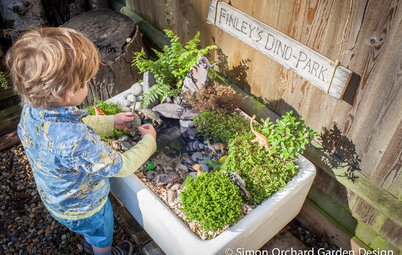
Garden Tour: A Mini Dino Park Designed for a 3-Year-Old
Tell us:
Do you have a miniature garden? Share your pictures and gardening tips in Comments below.
A garden made with so much love deserves more love all along the way. As small as they are, they require attention to tiny details, but are not at all difficult to look after if you keep in mind a few points as a part of their care regime.
- Make sure the potting soil you use is organic and free of any artificial fertilisers.
- Water the garden thoroughly once the plantation and landscaping is complete; thereafter gently water the container only when the soil feels dry.
- Prune the dry and damaged leaves and trim the trees as needed, treating these gardens like any other normal garden that evolves and grows with each passing day.
- Keep a vigilant eye on the plants to make sure they are free from bugs and diseases.
- Give them a soft sprinkle once in a while, delicately washing the leaves with your fingers.
- If you happen to lose any plant, don’t worry; just pull it out and plant a new one in the same spot.
- Loosen the soil in your container with a small trowel or a raking pin every few weeks to let the air circulate, keeping the root balls healthy.
- To get rid of the grime and algae that may grow on the accessories and design elements you are using in your garden, including the container itself, take them out and give them a gentle rinse with vinegar and water.
- Never let any dried-up leaves sit on the soil because they become hiding spots for pests and can harbour microbial infections, as well..
- And, most importantly, keep such gardens away from direct sunlight. Occasional placement in the sun is good, but let their permanent place be in an area of indirect sunlight.
Read more:
Little by Little: Why Growing a Bonsai Could Change Your Life
Garden Tour: A Mini Dino Park Designed for a 3-Year-Old
Tell us:
Do you have a miniature garden? Share your pictures and gardening tips in Comments below.
1. A container
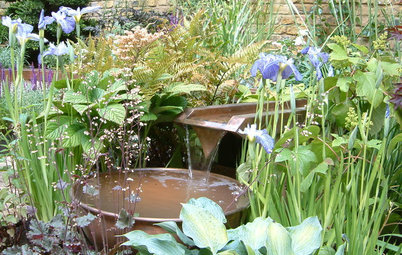
You may choose a pot or a metal tray, a bucket or a basket, a terracotta or glass pot, or even a broken clay pot – the only essential feature is the presence of holes at the bottom for drainage.