
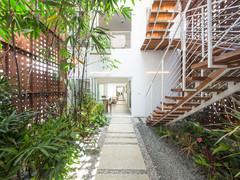
How to Design a Home That is Not a Burden on the Environment
Incorporate smart details with simple lifestyle changes to create a home that is kind to the planet

Environmental problems such as plastic pollution, air pollution, global warming and so on are growing at an alarming rate. Hence, it has become essential for every individual to play a responsible role towards creating a more sustainable home that is sensitive to the environment. Simple changes can make your home energy-efficient and cost-effective, and also reduce its carbon footprint. Here is a guide that is guaranteed to create a more sustainable home and lifestyle.
2. Go for paints with low VOC
Only choose odourless, lead-free paints with low levels of VOCs (volatile organic compounds) for your walls and ceiling. Paints with high levels of VOCs emit toxic gases for quite some time, which are harmful to your health.
Where to Use Which Paint?
Only choose odourless, lead-free paints with low levels of VOCs (volatile organic compounds) for your walls and ceiling. Paints with high levels of VOCs emit toxic gases for quite some time, which are harmful to your health.
Where to Use Which Paint?
3. Use sustainable building materials
- Use eco-friendly materials such as brick, terracotta, bamboo, wood (of fast-growing trees farmed for the purpose), etc., which are made of natural and renewable materials.
- Consider recycling old pieces of furniture to give them a new look. This will save some trees from getting cut for your new furniture.
- Switch to organic bed sheets, upholstery, curtains, mattresses and towels for your home. Go for products with natural plant or animal fibres, such a cotton, linen or wool, instead of synthetic fabrics, such as nylon or polyester.
4. Energy efficiency
- Switch to energy-efficient lights such as CFLs (compact fluorescent lights) and LEDs (light-emitting diodes) which consume less electricity and last longer.
- Make sure that all your kitchen appliances are energy-efficient and consume less electricity.
- Unplug all your electronic gadgets; do not keep them on standby mode. This will prevent the gadgets from consuming power when not in use.
- Consider double-glazed windows to stop heat from penetrating indoors, because the extra heat can result in extra cooling load and increased air-conditioning costs. Use weather stripping around the windows.
- A concrete roof absorbs a lot of heat, which can get transferred to the floor immediately below the roof. Go for cool roof coatings that reflect the sun’s energy away from the roof.
5. Decorate with indoor plants
Indoor Plants You Just Can’t Kill
- Introduce plants like spider plants, rubber plants and palm trees, which are known to work as a natural air purifiers and reduce toxins within the house.
- Create your own patch of green or even grow your own food in a terrace garden or the balcony.
- Consider a vertical garden like in this example or use the window sill for bringing in greenery.
Indoor Plants You Just Can’t Kill
6. Save water
- There should be no leaking faucets or pipelines in the home.
- Install a commode with a dual-flush as in this example. A dual-flush valve gives you the option of a half flush and a full flush with the same valve and helps you save water.
7. Use environment-friendly cleaning products
Say no to harsh chemical cleaners that can cause health problems and pollute the environment.
Say no to harsh chemical cleaners that can cause health problems and pollute the environment.
- Choose non-toxic cleaners with low levels of VOCs. Consider products which contain essential oils and lack chemicals such as ammonia or chlorine.
- Use natural disinfectants such as tea tree oil or citrus oils. Use a mixture of borax and white vinegar as a WC cleaner.
- Consider the use of steam cleaners to disinfect and kill germs is a green way and keep the home clean.
- Make your own cleaning products with natural ingredients such as baking soda, lemon juice, hydrogen peroxide and vinegar.
8. Say no to plastic
- It is essential to limit the use of plastic. Replace all the daily use plastic containers, bottles and jars with materials like steel, ceramic or glass.
- Get rid of plastic containers and bottles that are not BPA (bisphenol A) free. This is an undesirable chemical that may seep into food and beverages and contaminate them.
9. Go solar
- Install solar panels on your rooftop as it is a brilliant way to harness clean energy. Solar panels absorb light from the sun and convert it into electricity. The initial cost of installing solar panels is high but in the long run it is a great way to go green and reduce the carbon footprint of your home.
- Install solar heaters for the supply of hot water, instead of conventional geysers.
10. Rainwater harvesting
Rainwater harvesting is the method of collecting water from the rooftop and storing it in barrels or water tanks, as seen in this example. Rainwater harvesting is an efficient way to recharge ground water or use the water for other purposes, such as gardening.
Read more:
How to Live an Eco-Friendly Life
Houzz Quiz: How Eco-Friendly Is Your Lifestyle?
Tell us:
Do you have other suggestions about how to create a sustainable home? Share in Comments below.
Rainwater harvesting is the method of collecting water from the rooftop and storing it in barrels or water tanks, as seen in this example. Rainwater harvesting is an efficient way to recharge ground water or use the water for other purposes, such as gardening.
Read more:
How to Live an Eco-Friendly Life
Houzz Quiz: How Eco-Friendly Is Your Lifestyle?
Tell us:
Do you have other suggestions about how to create a sustainable home? Share in Comments below.
- Open your windows and curtains daily to bring in maximum natural light. This will keep your home naturally lit throughout the day and help you to save on electricity costs.
- Make it a point to cross-ventilate your home and let in the breeze, which shall replace stale air with fresh, prevent the build up of any kind of harmful chemicals and reduce the concentration of pollutants inside.
Consult with a design professional to make your home more environment-friendly