
Decorating Guides


Indian Marble vs Italian Marble: Which Is Better?
Find out the unique features of each. Is Italian marble really better?

Marble is a beautiful natural stone and is still the most preferred flooring material for Indian homes compared to other factory-made materials such as vitrified or porcelain tiles. Numerous varieties of both Indian marble and Italian marble are readily available in different colours and vein patterns. If you are planning to use marble for your home and haven’t yet decided whether to go with Indian marble or Italian marble, this article can help you make up your mind.

1. What is the difference between Indian and Italian marble?
- Indian marble is quarried from the states of Rajasthan, Gujarat, Andhra Pradesh and Madhya Pradesh, while Italian marble is quarried from Northern Italy and is usually available in slabs.
- Italian marble has a very high lustre, as seen in this image, and is a very soft stone with a crystal-like appearance. Indian marble has a medium lustre and is a comparatively harder stone.
- Both these types of marble are commonly available in a thickness of 18-20 millimetres. However, the thickness of Indian marble can go up to 30 millimetres.

Note: Since Italian marble is a very soft stone, a thin nylon net is glued on the back of the slab to give it additional support and strength. Additionally, hard stone is glued on the edges of the Italian marble to protect the sides of Italian marble so that it does not crumble or chip during transportation. It also has to be treated with epoxy resins, along with matching coloured pigments, for additional reinforcement . Hence, Italian marble is sold with one side pre-polished (as seen in this image) to camouflage these chemical resins or sealers.

2. Where can Indian and Italian marble be used?
- Indian marble is primarily used for the flooring, bathroom walls and countertops of the kitchen, bathroom and tables.
- Italian marble is used to give a high-end look to the home, as seen in this example. It is used as a decorative feature for the flooring, walls, bathroom countertops, tabletops and so on. Unlike Indian marble, Italian marble is soft and prone to staining, hence it is not used for the kitchen countertop.

3. What are the different types of Indian and Italian marble?
- Indian marble comes in a wide range of colours and varieties, such as white Indian Statuario marble, white Banswara marble, Jaisalmer stone or yellow marble, Udaipur green marble, Jodhpur pink marble, Abu black marble and so on.
- The most common types of Italian marble include Italian Botticino, Perlato Sicilia, Nero (black) Marquina, Rossa Verona, Crema Marfil, Carrara marble and Statuario (seen in this living room).
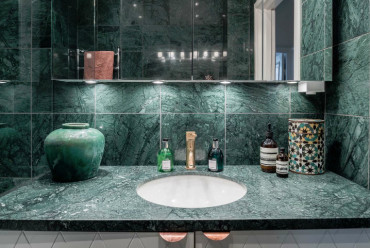
4. What are the drawbacks of Indian marble and of Italian marble?
- Both these types of marble are very porous, which makes them susceptible to stains.
- Since Italian marble is soft, it is prone to scratches, hence heavy objects should never be dragged on a floor made of the stone.
- All the marble slabs should be perfectly levelled during installation, otherwise it may develop deep cracks over a period of time.
- Another drawback of using Italian marble is that it is a very soft material and develops prominent hairline cracks over a period of time; this characteristic makes the harder Indian marble a better choice than Italian marble.
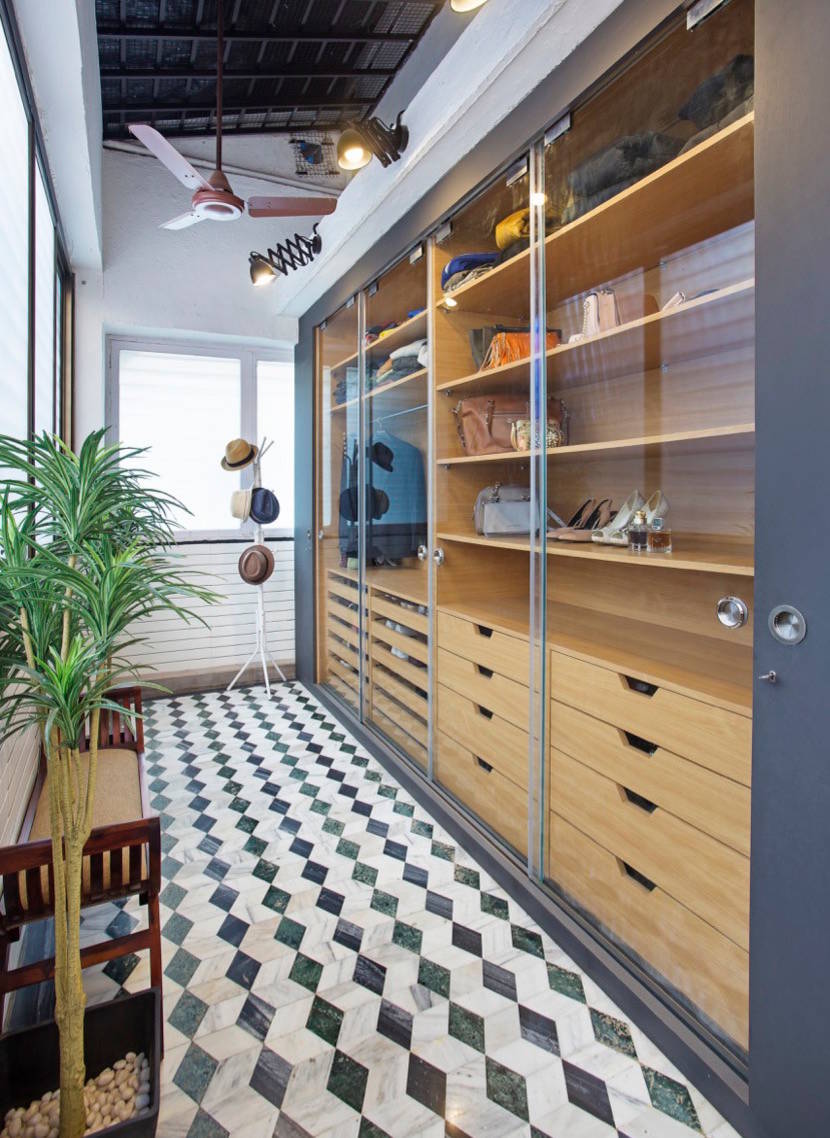
5. How to maintain both types of marble?
- Wash the marble floor and other surfaces with a mild detergent solution or a specially formulated marble-cleaning liquid.
- Marble should be sealed periodically with impregnating sealers that create a protective barrier to prevent staining.
- Both Indian and Italian marble lose their lustre over time, so they have to be polished periodically to retain their shine.
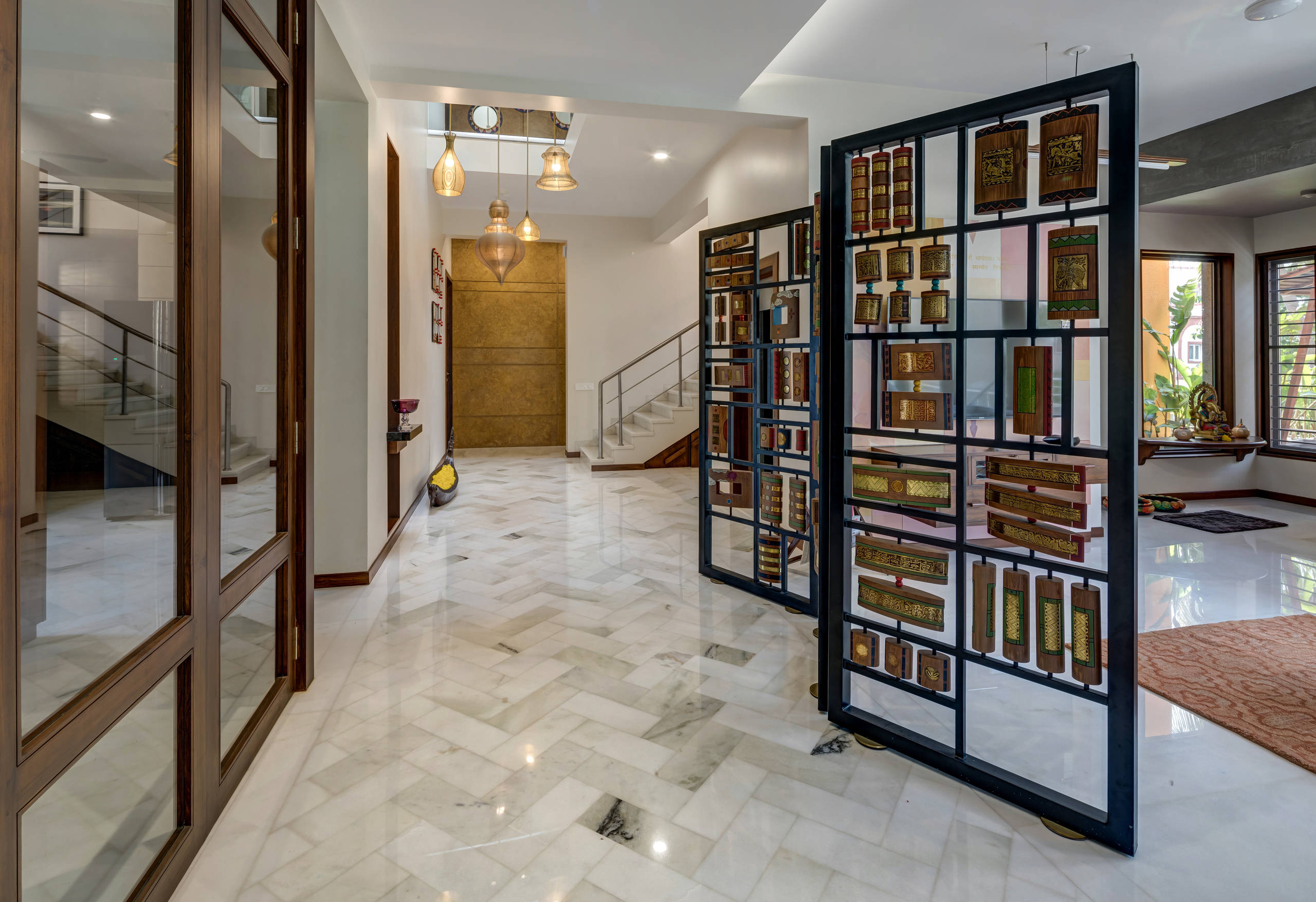
6. What is the cost of both?
Read more:
How to Choose the Right Marble for Your Floor
6 Reasons to Choose Green Marble
Tell us:
What do you prefer – Indian marble or Italian marble – and why? Share your thoughts in the Comments section below.
- Good-quality Indian marble is available at prices from ₹80 per square foot onwards.
- Italian marble is available at prices from ₹350 per square foot onwards, as in the year 2019.
Read more:
How to Choose the Right Marble for Your Floor
6 Reasons to Choose Green Marble
Tell us:
What do you prefer – Indian marble or Italian marble – and why? Share your thoughts in the Comments section below.

Sponsored