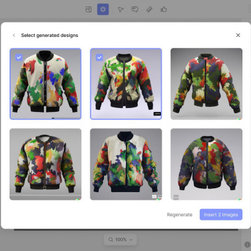

Text-to-style, AI fashion design, garment generation, digital apparel
text-to-style, AI fashion design, garment generation, digital apparel is an advanced AI-driven approach that allows designers to convert written fashion ideas into fully realized 3D garments. This technology, powered by tools like Style3D’s Text-to-Style, enables the transformation of simple text descriptions into structured digital clothing models. By integrating text-to-style, AI fashion design, garment generation, digital apparel, designers can move directly from concept to visualization without relying on traditional sketching or manual modeling processes.
redefining concept creation in fashion design
In traditional workflows, designers begin with sketches, followed by pattern development and prototyping. This multi-step process often slows down creativity and limits the speed of innovation. However, with text-to-style, AI fashion design, garment generation, digital apparel, the process starts with a simple written idea.
Designers can describe a garment using text, such as its style, fabric, or structure, and the system converts that description into a visual 3D model. This redefines how concepts are developed and accelerates the early stages of fashion design.
AI-powered interpretation of written inputs
At the core of text-to-style, AI fashion design, garment generation, digital apparel is artificial intelligence capable of understanding natural language. The AI interprets descriptive inputs and translates them into garment features such as silhouette, fabric behavior, and detailing.
This allows designers to communicate ideas in a simple, intuitive way without requiring technical drawing skills. The system ensures that the generated garment reflects the original concept accurately.
rapid garment generation process
One of the most significant advantages of garment generation through this technology is speed. Designers can generate multiple garment variations within seconds by adjusting text inputs.
With text-to-style, AI fashion design, garment generation, digital apparel, this rapid generation capability supports quick experimentation and iteration. Designers can explore different styles, colors, and structures without rebuilding designs from scratch.
role of digital apparel in modern fashion
The rise of digital apparel has transformed how fashion is created and presented. Digital garments can exist entirely in virtual environments, eliminating the need for physical samples.
Within text-to-style, AI fashion design, garment generation, digital apparel, designers can create entire collections digitally. These garments can be used for visualization, marketing, and even virtual retail, making fashion more flexible and scalable.
improving design efficiency and productivity
Efficiency is a major benefit of text-to-style, AI fashion design, garment generation, digital apparel. Traditional workflows require multiple stages of manual work, but AI simplifies this process.
Designers can focus on creative direction while the system handles technical generation. This increases productivity and allows teams to meet deadlines more effectively.
enhancing creative exploration
This technology encourages creativity by allowing designers to experiment freely. In text-to-style, AI fashion design, garment generation, digital apparel, a single text input can produce multiple design variations.
Designers can refine their ideas by modifying descriptions and instantly seeing the results. This iterative process leads to more innovative and diverse fashion outcomes.
reducing dependency on manual design processes
Traditional garment creation involves manual sketching, pattern drafting, and prototyping. With text-to-style, AI fashion design, garment generation, digital apparel, much of this work is automated.
This reduces the need for repetitive tasks and allows designers to focus on high-level creative decisions, improving overall workflow efficiency.
improving accuracy and visualization
Accuracy is essential in fashion design, and text-to-style, AI fashion design, garment generation, digital apparel ensures that generated garments are structurally sound and visually realistic.
Designers can evaluate proportions, fit, and styling directly within a 3D environment, reducing errors and improving final outcomes.
applications in fashion industry
The use of text-to-style, AI fashion design, garment generation, digital apparel extends across multiple areas of the fashion industry. Designers use it for concept development, while brands use it for marketing and digital presentations.
It also plays a role in e-commerce, where digital garments can be showcased in virtual stores and interactive platforms.
sustainability benefits of AI-driven fashion
Sustainability is a growing concern in the fashion industry. text-to-style, AI fashion design, garment generation, digital apparel reduces the need for physical samples, minimizing waste and resource consumption.
By working digitally, designers can lower production costs and reduce environmental impact, supporting sustainable fashion practices.
improving collaboration in design teams
Modern fashion projects involve collaboration between multiple stakeholders. text-to-style, AI fashion design, garment generation, digital apparel enables teams to share digital garments easily.
Designers, developers, and marketers can review and refine designs in real time, improving communication and decision-making.
future of text-driven fashion design
The future of text-to-style, AI fashion design, garment generation, digital apparel includes more advanced AI capabilities, such as improved language understanding and real-time garment generation.
As technology evolves, designers will be able to create entire collections from simple text descriptions, making fashion design faster and more accessible.
conclusion
text-to-style, AI fashion design, garment generation, digital apparel is transforming the fashion industry by enabling designers to convert written ideas into fully realized 3D garments. It improves efficiency, enhances creativity, and supports sustainable practices while reducing manual effort. As AI continues to advance, this technology will play a key role in shaping the future of digital fashion design and innovation.
Project Year: 2026
Project Cost: USD 1,000 - USD 2,500