Optimizing Kitchen Storage: Maximizing BioFresh for Peak Ingredient Longevity
A well organised kitchen is the quiet engine behind every good meal, and the difference between wilted herbs and crisp greens often comes down to how ingredients are stored. The most useful kitchen storage tips combine two layers: visible order on the counter and shelves, and invisible order inside cooling compartments where temperature and humidity decide how long food actually lasts. BioFresh technology, with its precisely controlled climate zones, has shifted what is possible in domestic food preservation, extending the life of fruit, vegetables, fish, meat and dairy far beyond what a standard chilled drawer can offer. This article looks at how to combine smart pantry layout, thoughtful drawer planning and BioFresh compartments into one coherent system. The goal is straightforward: less waste, fresher flavours, and ingredients that arrive at the cutting board in the same condition they left the market. Practical, repeatable habits matter more than gadgets, and small adjustments often deliver the biggest returns.
TL;DR — Key Takeaways
· BioFresh compartments hold temperatures near 0 °C with adjustable humidity, keeping produce, fish and dairy fresh up to three times longer than standard chilled drawers.
· Effective food storage works in zones: dry pantry, ambient counter, cool refrigerator shelves, and ultra-fresh BioFresh drawers.
· A bamboo organizer, a tiered spice rack and a wall mounted paper towel holder free up counter space and reduce visual clutter.
· Cutting boards, coffee mugs and frequently used jars belong within arm's reach of prep zones, not stacked behind appliances.
· Olive oil should sit in a dark cupboard, never above the stove, to protect flavour and shelf life.
· Group similar items on each shelf and rotate stock so older products stay visible.
· Humidity control is the single biggest lever for extending the life of leafy greens and berries.
Why Storage Strategy Matters More Than Storage Space
Most kitchens are not short on space, they are short on system. A drawer crammed with mismatched lids, a shelf where olive oil sits next to flour, or a crisper holding everything from apples to onions all share the same problem: items compete for the wrong conditions. Strategy beats square footage because each ingredient has a narrow band of temperature, humidity and light in which it thrives.
The Three Climates of a Working Kitchen
A practical kitchen contains three storage climates. The dry pantry, ideally cool and dark, suits grains, pasta, tinned goods and unopened olive oil. The ambient counter handles items used daily such as cutting boards, coffee mugs, a bamboo utensil holder and a compact spice rack. The cold zone, the refrigerator and its specialised drawers, handles everything perishable. When each item lives in the climate that matches its biology, spoilage drops sharply.
Where Most Households Lose Food
Food waste rarely happens because people forget to cook. It happens because ingredients deteriorate faster than expected. Berries soften in two days, herbs blacken overnight, and cheese dries out within a week. The cause is almost always a mismatch between the food and its micro-environment. Standard chilled drawers fluctuate between 4 and 8 °C, which is sufficient for short-term storage but accelerates ripening and microbial growth on delicate produce.
Understanding BioFresh and How It Changes the Cold Zone
BioFresh is a refrigeration concept that maintains an internal climate close to 0 °C combined with adjustable humidity. The precise temperature slows enzymatic activity in fruit and vegetables and inhibits bacterial growth on proteins, while the humidity setting can be tuned for what is inside.
DrySafe for Proteins and Dairy
The lower-humidity DrySafe compartment is designed for fish, meat, sausage, cheese and dairy. By keeping moisture levels around 50 percent, it prevents condensation forming on packaging and surfaces, which is what typically turns a fillet of fish slimy after a single day. Cheeses develop fewer surface moulds, and cured meats keep their texture for weeks rather than days.
HydroSafe for Fruit, Vegetables and Herbs
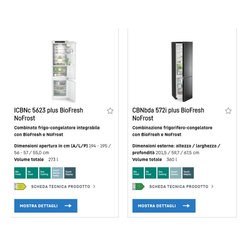
The HydroSafe drawer raises humidity close to 90 percent. Leafy greens, herbs, carrots, asparagus and berries lose water through their surfaces; in a high-humidity zone that loss is dramatically reduced. Lettuce stays crisp for over a week, parsley keeps its colour, and strawberries hold their shape rather than collapsing into the punnet. For households that shop weekly, this single drawer can transform meal planning. A modern Liebherr Fridge with BioFresh integrates these zones alongside conventional shelves so the cold zone itself becomes a multi-climate system.
What Belongs Where
Not every item benefits from BioFresh. Tropical fruit such as bananas, mangoes and pineapples prefer warmer storage and can suffer chill damage near 0 °C. Tomatoes lose flavour in the cold and belong on the counter until cut. Onions, garlic and potatoes stay in a dark, ventilated pantry corner. Recognising these exceptions prevents the common mistake of treating the refrigerator as a single uniform space.
Building the Visible Layer: Counters, Cabinets and Drawers
Once the cold zone is sorted, the visible layer of the kitchen needs the same logic. Surfaces should hold only what is used daily, and storage should reflect frequency of use rather than aesthetic symmetry.
The Counter Edit
A clear counter starts with three questions for every object: is it used daily, does it have a better home, and does it earn its footprint. Coffee mugs used every morning earn a spot near the kettle. A wooden block of cutting boards belongs beside the prep area, not across the room. A wall mounted paper towel holder removes a roll that otherwise migrates around the worktop. Stock photography from getty images often shows beautifully empty counters, but real households need a small set of working tools out at all times; the trick is choosing which.
Smart Cabinet Zones
Cabinets work best when grouped by task rather than by category. A baking zone holds flour, sugar, baking powder, scales and tins together. A breakfast zone holds cereals, honey, jam and the toaster shelf. A bamboo drawer organizer turns a chaotic utensil drawer into clearly defined rows for spoons, spatulas and whisks. The bamboo finish resists moisture better than plastic and ages without warping.
Shelving Above the Stove and Sink
Open shelving looks attractive but punishes certain ingredients. Olive oil exposed to heat and light above the stove oxidises within weeks, losing its peppery character. The same applies to spices: a tiered spice rack should sit in a cool cupboard or on a wall away from direct heat, not on the splashback. Frequently used jars stay visible, and rare items move to the back.
Habits That Keep the System Running
Storage systems decay without small daily habits. The most effective households treat the kitchen like a living organism that needs weekly maintenance rather than seasonal overhauls.
The Five Minute Reset
A short evening reset returns cutting boards to their slot, wipes counters, and moves leftovers into clearly labelled containers placed at eye level in the refrigerator. Items hidden at the back become forgotten items, and forgotten items become waste. Front-loading the fridge with what needs eating soon is the single most effective anti-waste habit.
Stock Rotation Without a Spreadsheet
Rotation does not need a system, only a rule: new goes behind, old goes in front. When unpacking groceries, push existing yoghurt, eggs and vegetables forward and place the new stock behind them. The same applies to the pantry, where a tin of tomatoes bought today belongs at the back of the row.
Reading the Signals
A well-stored kitchen gives feedback. Herbs that wilt within two days suggest the wrong drawer humidity. Cheese drying out points to incorrect wrapping or the wrong compartment. Bread going stale fast indicates the bread bin is too warm or too dry. Adjusting in response to these signals turns a static layout into an evolving system.
Practical Relevance: What This Means in Practice
For most households, the payoff of combining BioFresh zones with disciplined visible storage shows up within two weeks. Weekly shopping stretches further because berries, herbs and fish reach the end of the week intact. Meal planning becomes less rigid because ingredients hold longer than the rough deadlines on packaging suggest. Counter clutter drops once a bamboo organizer, a spice rack and a paper towel holder absorb the small items that previously roamed the worktop. Olive oil tastes the way it did at purchase because it lives in the dark. Cutting boards and coffee mugs stay near the action rather than buried in cabinets. None of this requires a renovation; it requires deciding where each ingredient and each tool belongs, then defending those decisions through short daily habits. The kitchen that results is not just tidier, it is measurably more efficient, with less waste, fresher flavours and more time spent cooking rather than searching.
TL;DR — Key Takeaways
· BioFresh compartments hold temperatures near 0 °C with adjustable humidity, keeping produce, fish and dairy fresh up to three times longer than standard chilled drawers.
· Effective food storage works in zones: dry pantry, ambient counter, cool refrigerator shelves, and ultra-fresh BioFresh drawers.
· A bamboo organizer, a tiered spice rack and a wall mounted paper towel holder free up counter space and reduce visual clutter.
· Cutting boards, coffee mugs and frequently used jars belong within arm's reach of prep zones, not stacked behind appliances.
· Olive oil should sit in a dark cupboard, never above the stove, to protect flavour and shelf life.
· Group similar items on each shelf and rotate stock so older products stay visible.
· Humidity control is the single biggest lever for extending the life of leafy greens and berries.
Why Storage Strategy Matters More Than Storage Space
Most kitchens are not short on space, they are short on system. A drawer crammed with mismatched lids, a shelf where olive oil sits next to flour, or a crisper holding everything from apples to onions all share the same problem: items compete for the wrong conditions. Strategy beats square footage because each ingredient has a narrow band of temperature, humidity and light in which it thrives.
The Three Climates of a Working Kitchen
A practical kitchen contains three storage climates. The dry pantry, ideally cool and dark, suits grains, pasta, tinned goods and unopened olive oil. The ambient counter handles items used daily such as cutting boards, coffee mugs, a bamboo utensil holder and a compact spice rack. The cold zone, the refrigerator and its specialised drawers, handles everything perishable. When each item lives in the climate that matches its biology, spoilage drops sharply.
Where Most Households Lose Food
Food waste rarely happens because people forget to cook. It happens because ingredients deteriorate faster than expected. Berries soften in two days, herbs blacken overnight, and cheese dries out within a week. The cause is almost always a mismatch between the food and its micro-environment. Standard chilled drawers fluctuate between 4 and 8 °C, which is sufficient for short-term storage but accelerates ripening and microbial growth on delicate produce.
Understanding BioFresh and How It Changes the Cold Zone
BioFresh is a refrigeration concept that maintains an internal climate close to 0 °C combined with adjustable humidity. The precise temperature slows enzymatic activity in fruit and vegetables and inhibits bacterial growth on proteins, while the humidity setting can be tuned for what is inside.
DrySafe for Proteins and Dairy
The lower-humidity DrySafe compartment is designed for fish, meat, sausage, cheese and dairy. By keeping moisture levels around 50 percent, it prevents condensation forming on packaging and surfaces, which is what typically turns a fillet of fish slimy after a single day. Cheeses develop fewer surface moulds, and cured meats keep their texture for weeks rather than days.
HydroSafe for Fruit, Vegetables and Herbs
The HydroSafe drawer raises humidity close to 90 percent. Leafy greens, herbs, carrots, asparagus and berries lose water through their surfaces; in a high-humidity zone that loss is dramatically reduced. Lettuce stays crisp for over a week, parsley keeps its colour, and strawberries hold their shape rather than collapsing into the punnet. For households that shop weekly, this single drawer can transform meal planning. A modern Liebherr Fridge with BioFresh integrates these zones alongside conventional shelves so the cold zone itself becomes a multi-climate system.
What Belongs Where
Not every item benefits from BioFresh. Tropical fruit such as bananas, mangoes and pineapples prefer warmer storage and can suffer chill damage near 0 °C. Tomatoes lose flavour in the cold and belong on the counter until cut. Onions, garlic and potatoes stay in a dark, ventilated pantry corner. Recognising these exceptions prevents the common mistake of treating the refrigerator as a single uniform space.
Building the Visible Layer: Counters, Cabinets and Drawers
Once the cold zone is sorted, the visible layer of the kitchen needs the same logic. Surfaces should hold only what is used daily, and storage should reflect frequency of use rather than aesthetic symmetry.
The Counter Edit
A clear counter starts with three questions for every object: is it used daily, does it have a better home, and does it earn its footprint. Coffee mugs used every morning earn a spot near the kettle. A wooden block of cutting boards belongs beside the prep area, not across the room. A wall mounted paper towel holder removes a roll that otherwise migrates around the worktop. Stock photography from getty images often shows beautifully empty counters, but real households need a small set of working tools out at all times; the trick is choosing which.
Smart Cabinet Zones
Cabinets work best when grouped by task rather than by category. A baking zone holds flour, sugar, baking powder, scales and tins together. A breakfast zone holds cereals, honey, jam and the toaster shelf. A bamboo drawer organizer turns a chaotic utensil drawer into clearly defined rows for spoons, spatulas and whisks. The bamboo finish resists moisture better than plastic and ages without warping.
Shelving Above the Stove and Sink
Open shelving looks attractive but punishes certain ingredients. Olive oil exposed to heat and light above the stove oxidises within weeks, losing its peppery character. The same applies to spices: a tiered spice rack should sit in a cool cupboard or on a wall away from direct heat, not on the splashback. Frequently used jars stay visible, and rare items move to the back.
Habits That Keep the System Running
Storage systems decay without small daily habits. The most effective households treat the kitchen like a living organism that needs weekly maintenance rather than seasonal overhauls.
The Five Minute Reset
A short evening reset returns cutting boards to their slot, wipes counters, and moves leftovers into clearly labelled containers placed at eye level in the refrigerator. Items hidden at the back become forgotten items, and forgotten items become waste. Front-loading the fridge with what needs eating soon is the single most effective anti-waste habit.
Stock Rotation Without a Spreadsheet
Rotation does not need a system, only a rule: new goes behind, old goes in front. When unpacking groceries, push existing yoghurt, eggs and vegetables forward and place the new stock behind them. The same applies to the pantry, where a tin of tomatoes bought today belongs at the back of the row.
Reading the Signals
A well-stored kitchen gives feedback. Herbs that wilt within two days suggest the wrong drawer humidity. Cheese drying out points to incorrect wrapping or the wrong compartment. Bread going stale fast indicates the bread bin is too warm or too dry. Adjusting in response to these signals turns a static layout into an evolving system.
Practical Relevance: What This Means in Practice
For most households, the payoff of combining BioFresh zones with disciplined visible storage shows up within two weeks. Weekly shopping stretches further because berries, herbs and fish reach the end of the week intact. Meal planning becomes less rigid because ingredients hold longer than the rough deadlines on packaging suggest. Counter clutter drops once a bamboo organizer, a spice rack and a paper towel holder absorb the small items that previously roamed the worktop. Olive oil tastes the way it did at purchase because it lives in the dark. Cutting boards and coffee mugs stay near the action rather than buried in cabinets. None of this requires a renovation; it requires deciding where each ingredient and each tool belongs, then defending those decisions through short daily habits. The kitchen that results is not just tidier, it is measurably more efficient, with less waste, fresher flavours and more time spent cooking rather than searching.
Project Year: 2026
Project Cost: USD 7,50,001 - USD 10,00,000