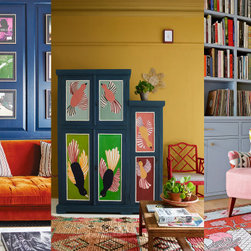

Colorful Living Room Ideas: Transform Your Space with Vibrant Hues
Are you tired of dull, lifeless living spaces? Are you looking to inject some personality and energy into your home? Look no further than colorful living room ideas! Adding a splash of color can breathe new life into your space, creating an inviting and vibrant atmosphere that reflects your unique style and personality. In this article, we'll explore the benefits of incorporating color into your living room, offer tips for choosing the right color palette, and inspire creating a colorful and dynamic space that you'll love spending time in.
Benefits of Adding Color to Your Living Room
Enhanced Mood
Color has a profound effect on our emotions and can significantly impact our mood. Bright and cheerful hues like yellow and orange can evoke happiness and optimism while calming shades like blue and green can promote relaxation and tranquility.
Increased Creativity
A colorful environment can stimulate creativity and inspire new ideas. Bold and vibrant colors can ignite your imagination and encourage outside-the-box thinking, making your living room a hub of creativity and innovation.
Expresses Personal Style
Your living room should be a reflection of your personality and taste. Adding color allows you to infuse your space with your unique style, whether you prefer bold and eclectic or soft and understated. It's an opportunity to showcase your individuality and create a space that feels truly personal.
Choosing the Right Color Palette
When selecting colors for your living room, it's essential to consider various factors, including the size of the room, the desired mood, and existing decor. Here are some tips for choosing the perfect color palette:
Consider Room Size
In smaller spaces, lighter colors can create the illusion of space and make the room feel more open and airy. Conversely, darker hues can add warmth and coziness to larger rooms.
Reflect on Desired Mood
Think about the atmosphere you want to create in your living room. Are you aiming for a relaxed and serene space, or do you want to energize the room with bold and vibrant colors? Choose colors that align with the mood you want to achieve.
Complement Existing Decor
Take stock of your existing furniture and decor and choose colors that complement or enhance them. Consider the undertones of your furnishings and select colors that harmonize with them for a cohesive look.
Colorful Furniture
One of the easiest ways to add color to your living room is through furniture. Here are some ideas for incorporating colorful pieces:
Sofas and Armchairs
Make a statement with a brightly colored sofa or armchair as the focal point of your living room. Opt for rich jewel tones like emerald green or sapphire blue for a luxurious and sophisticated look.
Coffee Tables and Side Tables
Add pops of color with vibrant coffee tables and side tables. Look for pieces in bold shades or with interesting patterns to inject personality into your space.
Accent Chairs and Ottomans
Create visual interest with colorful accent chairs and ottomans. Mix and match different hues and textures to add depth and dimension to your seating area.
Using Colorful Accessories
Accessories are an easy and affordable way to add color to your living room. Here are some ideas:
Throw Pillows and Blankets
Swap out neutral throw pillows and blankets for colorful ones to instantly brighten up your space. Mix and match different patterns and textures for added visual interest.
Rugs and Carpets
Anchor your seating area with a colorful rug or carpet. Choose a bold pattern or solid color to make a statement and tie the room together.
Wall Art and Decorative Pieces
Infuse your walls with color by hanging artwork and decorative pieces. Opt for pieces in vibrant hues that complement your color scheme and add personality to your space.
Utilizing Paint and Wallpaper
Paint and wallpaper are versatile tools for adding color and personality to your living room. Here are some ideas for using them effectively:
Feature Walls
Create a focal point in your living room with a bold feature wall. Choose a vibrant color or eye-catching wallpaper pattern to draw attention and add visual interest to the space.
Bold Patterns vs. Subtle Tones
Consider your personal style and the mood you want to create when selecting paint colors or wallpaper patterns. Bold patterns can make a statement, while subtle tones can create a more subdued and sophisticated look.
Accentuating Architectural Details
Highlight architectural features like crown molding, wainscoting, or built-in shelving with color. Painting these details in a contrasting color can add depth and dimension to your living room.
Lighting Strategies for Colorful Living Rooms
Lighting plays a crucial role in showcasing the colors in your living room. Here are some tips for maximizing the impact of your colorful decor:
Natural Lighting Enhancements
Take advantage of natural light by keeping windows unobstructed and using sheer curtains or blinds that allow sunlight to filter through. Natural light can enhance the vibrancy of colors and make your living room feel bright and airy.
Strategic Placement of Lamps and Fixtures
Supplement natural light with strategically placed lamps and fixtures. Use overhead lighting to illuminate the entire room and task lighting to highlight specific areas or features.
Effect of Light Temperature on Colors
Consider the color temperature of your light bulbs when selecting lighting for your living room. Warm light can enhance warm colors like red and orange, while cool light can complement cool colors like blue and green.
Creating Balance and Harmony
When decorating with color, it's essential to create balance and harmony to avoid overwhelming the space. Here are some tips for achieving a cohesive look:
Mixing Different Colors and Patterns
Mixing different colors and patterns adds visual interest and depth to your living room. Experiment with contrasting and complementary colors to create a dynamic and vibrant space.
Maintaining Cohesion
While it's essential to incorporate a variety of colors and patterns, it's also crucial to maintain cohesion throughout the room. Choose a dominant color palette and use it consistently throughout your decor to tie the space together.
Avoiding Overwhelm
Be mindful not to overload your living room with too many colors or patterns, as this can overwhelm the senses and make the space feel chaotic. Select a few key pieces or accents to highlight and keep the rest of the decor more neutral.
Examples of Colorful Living Room Designs
Looking for inspiration? Here are some examples of colorful living room designs to spark your creativity:
Modern and Minimalistic
Create a sleek and stylish look with a modern and minimalistic living room design. Opt for clean lines, neutral colors, and pops of bright color for a contemporary feel.
Bohemian and Eclectic
Embrace bohemian style with an eclectic mix of colors, patterns, and textures. Layer rugs, throw pillows, and artwork in vibrant hues for a cozy and eclectic vibe.
Traditional with a Twist
Put a modern spin on traditional style by incorporating bold colors and unexpected accents. Mix classic furniture pieces with contemporary artwork and accessories for a fresh and timeless look.
DIY Tips for Adding Color on a Budget
Adding color to your living room doesn't have to break the bank. Here are some budget-friendly DIY ideas:
Upcycling Furniture
Give old furniture a new lease on life by painting or refinishing it in a vibrant color. Not only will this add a pop of color to your space, but it will also give your furniture a fresh and updated look.
Creating Custom Artwork
Get creative and make your artwork to display in your living room. Experiment with different mediums and techniques to create colorful and unique pieces that reflect your style.
Painting Accent Walls
Transform your living room with a fresh coat of paint on an accent wall. Choose a bold color or pattern to make a statement and add visual interest to the room.
Professional Assistance and Consultation
If you're unsure where to start or feeling overwhelmed by the prospect of designing a colorful living room, consider seeking professional assistance. Here are some options:
Working with Interior Designers
Hire an interior designer to help bring your vision to life. They can offer expert advice on color selection, layout, and decor to create a cohesive and stylish living room that reflects your personality and lifestyle.
Virtual Design Services
Many interior design firms offer virtual design services, allowing you to work with a designer remotely. This can be a convenient and cost-effective option for those who prefer to DIY but still want professional guidance.
Online Resources and Inspiration
Take advantage of online resources and inspiration to gather ideas for your colorful living room. Browse design blogs, Pinterest boards, and social media platforms for inspiration and tips from experts and fellow homeowners.
Conclusion
Transforming your living room with color is a fun and rewarding process that allows you to express your creativity and personality. Whether you opt for bold and vibrant hues or soft and soothing tones, adding color to your living room can breathe new life into your space and create an environment that feels truly inviting and inspiring. So don't be afraid to experiment, have fun, and embrace the vibrancy of color in your home!
Benefits of Adding Color to Your Living Room
Enhanced Mood
Color has a profound effect on our emotions and can significantly impact our mood. Bright and cheerful hues like yellow and orange can evoke happiness and optimism while calming shades like blue and green can promote relaxation and tranquility.
Increased Creativity
A colorful environment can stimulate creativity and inspire new ideas. Bold and vibrant colors can ignite your imagination and encourage outside-the-box thinking, making your living room a hub of creativity and innovation.
Expresses Personal Style
Your living room should be a reflection of your personality and taste. Adding color allows you to infuse your space with your unique style, whether you prefer bold and eclectic or soft and understated. It's an opportunity to showcase your individuality and create a space that feels truly personal.
Choosing the Right Color Palette
When selecting colors for your living room, it's essential to consider various factors, including the size of the room, the desired mood, and existing decor. Here are some tips for choosing the perfect color palette:
Consider Room Size
In smaller spaces, lighter colors can create the illusion of space and make the room feel more open and airy. Conversely, darker hues can add warmth and coziness to larger rooms.
Reflect on Desired Mood
Think about the atmosphere you want to create in your living room. Are you aiming for a relaxed and serene space, or do you want to energize the room with bold and vibrant colors? Choose colors that align with the mood you want to achieve.
Complement Existing Decor
Take stock of your existing furniture and decor and choose colors that complement or enhance them. Consider the undertones of your furnishings and select colors that harmonize with them for a cohesive look.
Colorful Furniture
One of the easiest ways to add color to your living room is through furniture. Here are some ideas for incorporating colorful pieces:
Sofas and Armchairs
Make a statement with a brightly colored sofa or armchair as the focal point of your living room. Opt for rich jewel tones like emerald green or sapphire blue for a luxurious and sophisticated look.
Coffee Tables and Side Tables
Add pops of color with vibrant coffee tables and side tables. Look for pieces in bold shades or with interesting patterns to inject personality into your space.
Accent Chairs and Ottomans
Create visual interest with colorful accent chairs and ottomans. Mix and match different hues and textures to add depth and dimension to your seating area.
Using Colorful Accessories
Accessories are an easy and affordable way to add color to your living room. Here are some ideas:
Throw Pillows and Blankets
Swap out neutral throw pillows and blankets for colorful ones to instantly brighten up your space. Mix and match different patterns and textures for added visual interest.
Rugs and Carpets
Anchor your seating area with a colorful rug or carpet. Choose a bold pattern or solid color to make a statement and tie the room together.
Wall Art and Decorative Pieces
Infuse your walls with color by hanging artwork and decorative pieces. Opt for pieces in vibrant hues that complement your color scheme and add personality to your space.
Utilizing Paint and Wallpaper
Paint and wallpaper are versatile tools for adding color and personality to your living room. Here are some ideas for using them effectively:
Feature Walls
Create a focal point in your living room with a bold feature wall. Choose a vibrant color or eye-catching wallpaper pattern to draw attention and add visual interest to the space.
Bold Patterns vs. Subtle Tones
Consider your personal style and the mood you want to create when selecting paint colors or wallpaper patterns. Bold patterns can make a statement, while subtle tones can create a more subdued and sophisticated look.
Accentuating Architectural Details
Highlight architectural features like crown molding, wainscoting, or built-in shelving with color. Painting these details in a contrasting color can add depth and dimension to your living room.
Lighting Strategies for Colorful Living Rooms
Lighting plays a crucial role in showcasing the colors in your living room. Here are some tips for maximizing the impact of your colorful decor:
Natural Lighting Enhancements
Take advantage of natural light by keeping windows unobstructed and using sheer curtains or blinds that allow sunlight to filter through. Natural light can enhance the vibrancy of colors and make your living room feel bright and airy.
Strategic Placement of Lamps and Fixtures
Supplement natural light with strategically placed lamps and fixtures. Use overhead lighting to illuminate the entire room and task lighting to highlight specific areas or features.
Effect of Light Temperature on Colors
Consider the color temperature of your light bulbs when selecting lighting for your living room. Warm light can enhance warm colors like red and orange, while cool light can complement cool colors like blue and green.
Creating Balance and Harmony
When decorating with color, it's essential to create balance and harmony to avoid overwhelming the space. Here are some tips for achieving a cohesive look:
Mixing Different Colors and Patterns
Mixing different colors and patterns adds visual interest and depth to your living room. Experiment with contrasting and complementary colors to create a dynamic and vibrant space.
Maintaining Cohesion
While it's essential to incorporate a variety of colors and patterns, it's also crucial to maintain cohesion throughout the room. Choose a dominant color palette and use it consistently throughout your decor to tie the space together.
Avoiding Overwhelm
Be mindful not to overload your living room with too many colors or patterns, as this can overwhelm the senses and make the space feel chaotic. Select a few key pieces or accents to highlight and keep the rest of the decor more neutral.
Examples of Colorful Living Room Designs
Looking for inspiration? Here are some examples of colorful living room designs to spark your creativity:
Modern and Minimalistic
Create a sleek and stylish look with a modern and minimalistic living room design. Opt for clean lines, neutral colors, and pops of bright color for a contemporary feel.
Bohemian and Eclectic
Embrace bohemian style with an eclectic mix of colors, patterns, and textures. Layer rugs, throw pillows, and artwork in vibrant hues for a cozy and eclectic vibe.
Traditional with a Twist
Put a modern spin on traditional style by incorporating bold colors and unexpected accents. Mix classic furniture pieces with contemporary artwork and accessories for a fresh and timeless look.
DIY Tips for Adding Color on a Budget
Adding color to your living room doesn't have to break the bank. Here are some budget-friendly DIY ideas:
Upcycling Furniture
Give old furniture a new lease on life by painting or refinishing it in a vibrant color. Not only will this add a pop of color to your space, but it will also give your furniture a fresh and updated look.
Creating Custom Artwork
Get creative and make your artwork to display in your living room. Experiment with different mediums and techniques to create colorful and unique pieces that reflect your style.
Painting Accent Walls
Transform your living room with a fresh coat of paint on an accent wall. Choose a bold color or pattern to make a statement and add visual interest to the room.
Professional Assistance and Consultation
If you're unsure where to start or feeling overwhelmed by the prospect of designing a colorful living room, consider seeking professional assistance. Here are some options:
Working with Interior Designers
Hire an interior designer to help bring your vision to life. They can offer expert advice on color selection, layout, and decor to create a cohesive and stylish living room that reflects your personality and lifestyle.
Virtual Design Services
Many interior design firms offer virtual design services, allowing you to work with a designer remotely. This can be a convenient and cost-effective option for those who prefer to DIY but still want professional guidance.
Online Resources and Inspiration
Take advantage of online resources and inspiration to gather ideas for your colorful living room. Browse design blogs, Pinterest boards, and social media platforms for inspiration and tips from experts and fellow homeowners.
Conclusion
Transforming your living room with color is a fun and rewarding process that allows you to express your creativity and personality. Whether you opt for bold and vibrant hues or soft and soothing tones, adding color to your living room can breathe new life into your space and create an environment that feels truly inviting and inspiring. So don't be afraid to experiment, have fun, and embrace the vibrancy of color in your home!