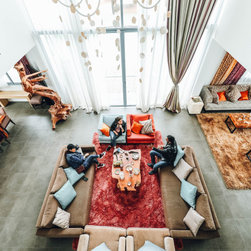

Affordable Design: How to Build Your Dream Home on a Budget
Are you dreaming of building your own home but worried about the costs? Don't worry since building your dream home doesn't have to break the bank. With careful planning and smart choices, you can have a beautiful and personalized home that will be within your means. This article will look at various strategies and tips to help you achieve affordable design for your dream home - from choosing the right materials to learning how to manage costs.
Remember, building your dream home on a budget requires careful planning, research and decision-making. Even with quick loan options like the ones at Moneezy to help you raise the funds you need, thorough research and planning are important in deciding how you build the home you desire. With the right approach, you can create a home that meets your needs and aspirations without breaking the bank.
Creating a Vision: Designing Your Dream Home
Designing your dream home starts with creating a vision of what you want it to look and feel like. Begin by gathering inspiration from various sources such as magazines, websites and social media platforms. Look for design styles, color schemes and architectural features that resonate with you. Next, consider the practical aspects of your dream home. Think about the number of rooms you need, the layout that would work best for your lifestyle, and any specific features or amenities you desire. Consider factors such as natural light, storage space and energy efficiency.
Once you have a clear vision in mind, it's time to start putting it on paper. Sketch out rough floor plans and room layouts to get a sense of how everything will fit together. You can also use online design tools or work with an architect or interior designer to create more detailed plans. Remember that designing your dream home is a process, and it's okay to make changes and adjustments along the way. Be open to new ideas and be willing to compromise when necessary.
Budget-Friendly Materials: Making the Right Choices
When it comes to home design on a budget, making the right choices in terms of materials can make a significant difference. Here are some budget-friendly materials to consider:
* Vinyl Flooring: Vinyl flooring is an affordable option that mimics the look of hardwood, tile or stone and is water-resistant, low-maintenance and budget-friendly.
* Ceramic Tiles: Ceramic tiles are a versatile and affordable choice for areas such as kitchens and bathrooms. They are durable, easy to clean and come in various colors and patterns.
* Medium-Density Fiberboard (MDF): MDF is a cost-effective material for cabinets, shelving and furniture that is durable, easy to work with and can be painted or laminated to achieve different finishes.
* Reclaimed Wood: Using reclaimed wood for accents or furniture pieces can add character to your home while being cost-effective. Look for salvaged wood from old barns, pallets or furniture to create unique and sustainable designs.
* Paint: One of the most affordable ways to transform a space is through paint, so choose neutral colors or bold accents to create a fresh and fitting look without spending too much.
Remember, when choosing budget-friendly materials it's essential to consider their quality, durability and suitability for your specific needs.
Creative Interior Design on a Tight Budget
Interior design plays a significant role in creating a beautiful and inviting home. Fortunately, there are many budget-friendly ways to decorate your space. Start by making a list of what you want to achieve with your interior design. Determine which areas or aspects of your space are most important to you and allocate your budget accordingly. Embrace your creative side and take on some do-it-yourself projects. Repurpose old furniture, paint walls, create artwork or make your own decorative items. There are plenty of online tutorials and inspiration available to guide you.
Sometimes, all it takes is collecting slightly used furniture and giving it new touches, and together with the right decor, you give your space the look you desire. Consider repurposing items for different uses or giving them a fresh coat of paint to breathe new life into them. Good lighting can instantly transform a space. Experiment with different types of lighting fixtures such as floor lamps, table lamps, or string lights, to create a cozy and inviting atmosphere.
Incorporate affordable textiles, such as throw pillows, blankets, curtains, and rugs, to add color, texture, and warmth to your space. Accessories like vases, candles, and artwork can also make a big impact without breaking the bank. The best way to make your space look inviting is to organize it according to the purpose it will serve, without cramping it up. Avoid unnecessary items no matter how beautiful they may look, find creative storage solutions, and keep your space tidy and organized. Remember, a tight budget doesn't mean you have to compromise on style. With a little creativity, resourcefulness, and smart planning, you can achieve a beautiful and inviting interior design without spending a fortune.
Financial Planning: Managing Costs and Staying on Track
Designing your dream home on a budget requires careful financial planning and cost management. First, you need to determine how much you can afford to spend on your dream home, and stick to that amount. Consider all expenses including construction, materials, furnishings and any additional costs. Identify the must-haves and nice-to-haves for your home. Focus on essential features and allocate your budget accordingly. This will help you avoid overspending on unnecessary items. Take the time to research and compare prices for materials, appliances and furnishings. Look for discounts, sales or alternative options that can help you save money without compromising quality.
Set aside a contingency fund for unexpected expenses or changes in design. It's important to have a buffer to handle any unforeseen costs that may arise during the construction process. Consult with architects, contractors and interior designers who have experience working within a budget, as they can provide valuable advice and help you make cost-effective decisions without sacrificing your vision. If you have the skills and time, consider taking on some do-it-yourself projects. This can help reduce labor costs and give you a sense of accomplishment while adding a personal touch to your home.
Keep a detailed record of all your expenses throughout the project. This will help you stay organized and ensure that you are staying within your budget. Regularly review your spending to identify any areas where you can cut costs or make adjustments. By being mindful of your expenses and making smart choices, you can create a beautiful and functional home without running into debt.
Remember, building your dream home on a budget requires careful planning, research and decision-making. Even with quick loan options like the ones at Moneezy to help you raise the funds you need, thorough research and planning are important in deciding how you build the home you desire. With the right approach, you can create a home that meets your needs and aspirations without breaking the bank.
Creating a Vision: Designing Your Dream Home
Designing your dream home starts with creating a vision of what you want it to look and feel like. Begin by gathering inspiration from various sources such as magazines, websites and social media platforms. Look for design styles, color schemes and architectural features that resonate with you. Next, consider the practical aspects of your dream home. Think about the number of rooms you need, the layout that would work best for your lifestyle, and any specific features or amenities you desire. Consider factors such as natural light, storage space and energy efficiency.
Once you have a clear vision in mind, it's time to start putting it on paper. Sketch out rough floor plans and room layouts to get a sense of how everything will fit together. You can also use online design tools or work with an architect or interior designer to create more detailed plans. Remember that designing your dream home is a process, and it's okay to make changes and adjustments along the way. Be open to new ideas and be willing to compromise when necessary.
Budget-Friendly Materials: Making the Right Choices
When it comes to home design on a budget, making the right choices in terms of materials can make a significant difference. Here are some budget-friendly materials to consider:
* Vinyl Flooring: Vinyl flooring is an affordable option that mimics the look of hardwood, tile or stone and is water-resistant, low-maintenance and budget-friendly.
* Ceramic Tiles: Ceramic tiles are a versatile and affordable choice for areas such as kitchens and bathrooms. They are durable, easy to clean and come in various colors and patterns.
* Medium-Density Fiberboard (MDF): MDF is a cost-effective material for cabinets, shelving and furniture that is durable, easy to work with and can be painted or laminated to achieve different finishes.
* Reclaimed Wood: Using reclaimed wood for accents or furniture pieces can add character to your home while being cost-effective. Look for salvaged wood from old barns, pallets or furniture to create unique and sustainable designs.
* Paint: One of the most affordable ways to transform a space is through paint, so choose neutral colors or bold accents to create a fresh and fitting look without spending too much.
Remember, when choosing budget-friendly materials it's essential to consider their quality, durability and suitability for your specific needs.
Creative Interior Design on a Tight Budget
Interior design plays a significant role in creating a beautiful and inviting home. Fortunately, there are many budget-friendly ways to decorate your space. Start by making a list of what you want to achieve with your interior design. Determine which areas or aspects of your space are most important to you and allocate your budget accordingly. Embrace your creative side and take on some do-it-yourself projects. Repurpose old furniture, paint walls, create artwork or make your own decorative items. There are plenty of online tutorials and inspiration available to guide you.
Sometimes, all it takes is collecting slightly used furniture and giving it new touches, and together with the right decor, you give your space the look you desire. Consider repurposing items for different uses or giving them a fresh coat of paint to breathe new life into them. Good lighting can instantly transform a space. Experiment with different types of lighting fixtures such as floor lamps, table lamps, or string lights, to create a cozy and inviting atmosphere.
Incorporate affordable textiles, such as throw pillows, blankets, curtains, and rugs, to add color, texture, and warmth to your space. Accessories like vases, candles, and artwork can also make a big impact without breaking the bank. The best way to make your space look inviting is to organize it according to the purpose it will serve, without cramping it up. Avoid unnecessary items no matter how beautiful they may look, find creative storage solutions, and keep your space tidy and organized. Remember, a tight budget doesn't mean you have to compromise on style. With a little creativity, resourcefulness, and smart planning, you can achieve a beautiful and inviting interior design without spending a fortune.
Financial Planning: Managing Costs and Staying on Track
Designing your dream home on a budget requires careful financial planning and cost management. First, you need to determine how much you can afford to spend on your dream home, and stick to that amount. Consider all expenses including construction, materials, furnishings and any additional costs. Identify the must-haves and nice-to-haves for your home. Focus on essential features and allocate your budget accordingly. This will help you avoid overspending on unnecessary items. Take the time to research and compare prices for materials, appliances and furnishings. Look for discounts, sales or alternative options that can help you save money without compromising quality.
Set aside a contingency fund for unexpected expenses or changes in design. It's important to have a buffer to handle any unforeseen costs that may arise during the construction process. Consult with architects, contractors and interior designers who have experience working within a budget, as they can provide valuable advice and help you make cost-effective decisions without sacrificing your vision. If you have the skills and time, consider taking on some do-it-yourself projects. This can help reduce labor costs and give you a sense of accomplishment while adding a personal touch to your home.
Keep a detailed record of all your expenses throughout the project. This will help you stay organized and ensure that you are staying within your budget. Regularly review your spending to identify any areas where you can cut costs or make adjustments. By being mindful of your expenses and making smart choices, you can create a beautiful and functional home without running into debt.