
Decorating Guides
The New Trend in Town: Japandi
Embrace the fusion of Japanese simplicity and Scandinavian style

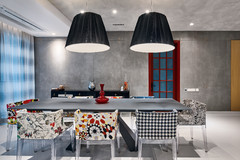
Japandi, named for the amalgam of Japanese and Scandi style, is the evolution of the popular Nordic trend. Both Japanese and Scandinavian design are characterised by the use of timber, linear forms and attention to craftsmanship. But the fusion of the two styles brings a stronger look to Scandinavian simplicity.
Here’s a guide to the interior trend and how to achieve it – in Japandi style – in your home.
Here’s a guide to the interior trend and how to achieve it – in Japandi style – in your home.
What is Japanese style?
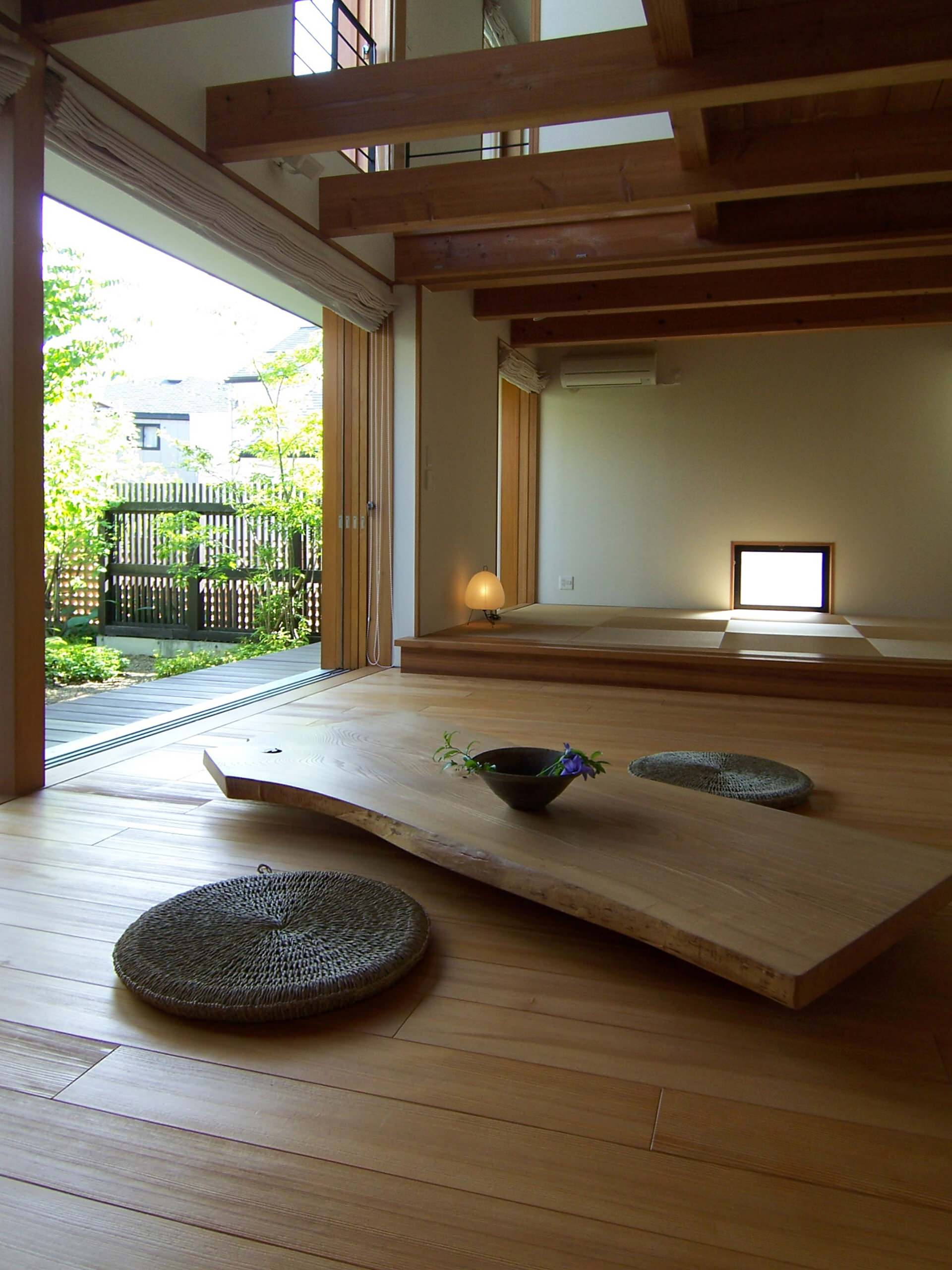
Japanese interior design is rooted in tradition, with the goal of achieving balance, order, harmony and a connection with the natural world. It draws on the Japanese wabi-sabi aesthetic, which is the appreciation of imperfection and transience.
Japanese interiors feel serene and tranquil. There is a sense of economy, modesty and simplicity; furniture is low to the ground, and the material palette is natural and neutral, using light and dark timbers.

Japan + Scandi = Japandi
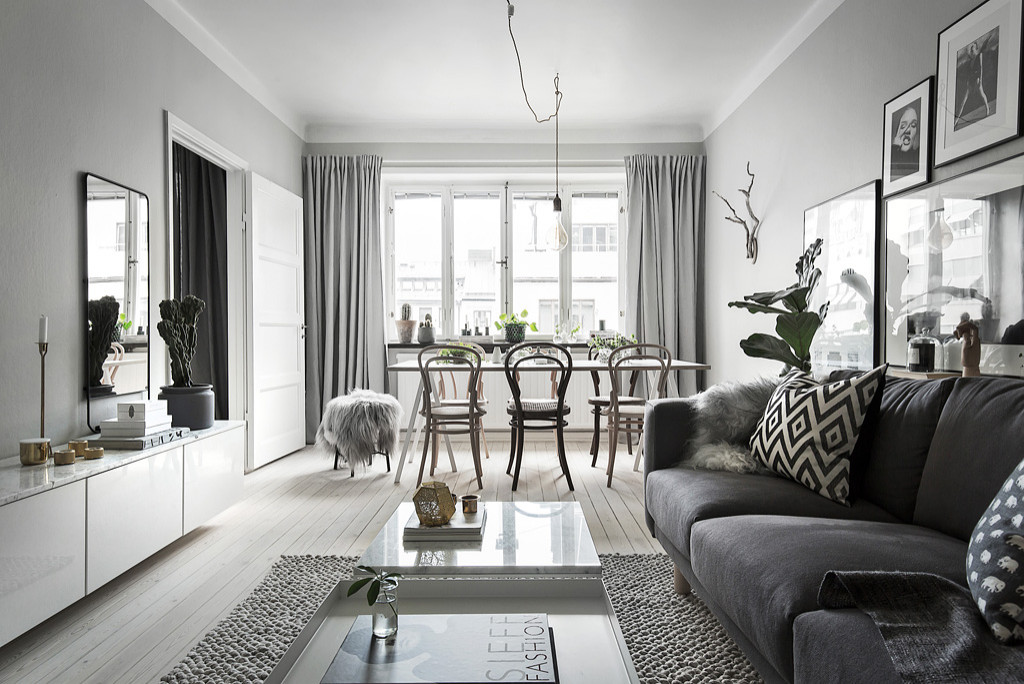
Add the two together and you have the new interior trend, Japandi. The overall tone still expresses the simplicity of Scandinavian style, while being more eclectic than traditional Japanese interiors. There is a mixture of light and dark timber, and spaces have more tone, texture and contrast.
Essentially, Japandi is less casual than Scandinavian interiors, but more relaxed than traditional Japanese interiors. Here’s how to achieve it in your home.
Browse interior designers near you on Houzz to find the perfect match for your home and style
Less is more
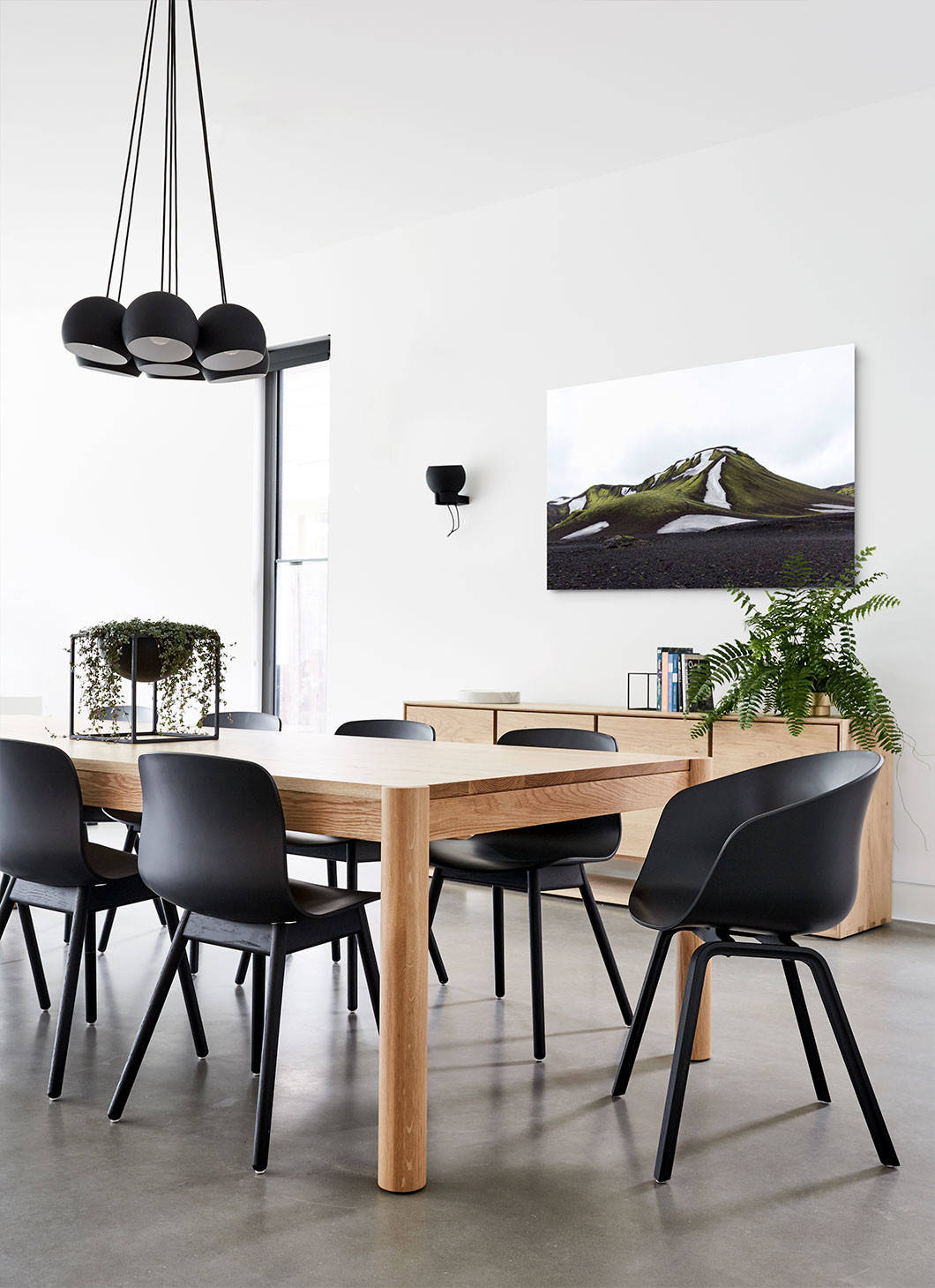
Scandinavian and Japanese interiors adhere to the ‘less is more’ ethos. There is a purity and integrity to spaces, with careful consideration given to the integrity, as well as the practical and functional purpose, of each piece. As such, furniture is simple, comfortable and timeless, and spaces are uncluttered and pared back.
Scandinavian and Japanese interiors adhere to the ‘less is more’ ethos. There is a purity and integrity to spaces, with careful consideration given to the integrity, as well as the practical and functional purpose, of each piece. As such, furniture is simple, comfortable and timeless, and spaces are uncluttered and pared back.
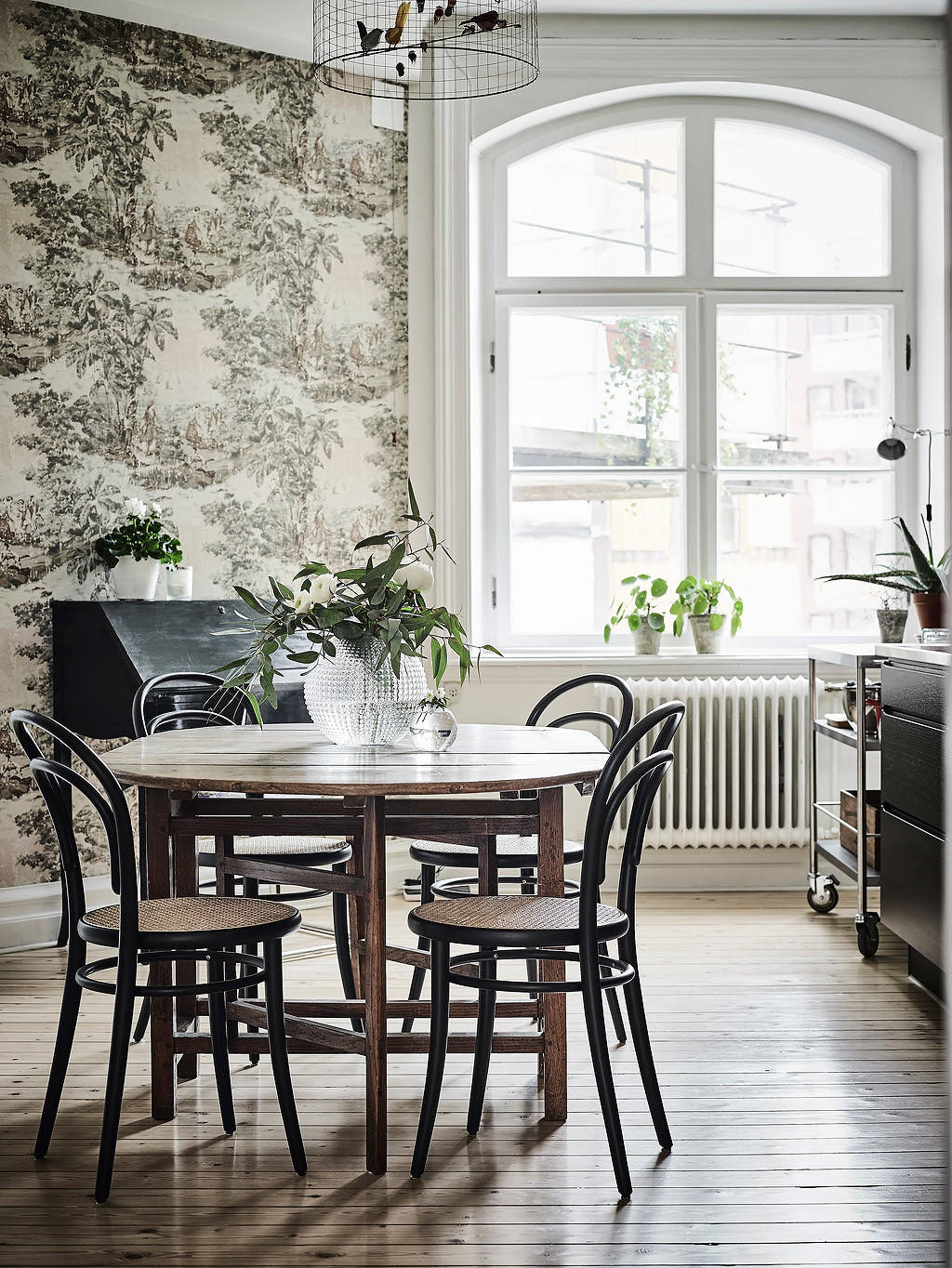
Blend light and dark timbers
Scandinavian interiors make use of lighter timbers, while Japanese interiors make use of both light and dark woods. With Japandi style, the fusion of light and dark timbers brings depth and contrast to a space, adding more strength and a masculine note to typical Scandi interiors.
Scandinavian interiors make use of lighter timbers, while Japanese interiors make use of both light and dark woods. With Japandi style, the fusion of light and dark timbers brings depth and contrast to a space, adding more strength and a masculine note to typical Scandi interiors.
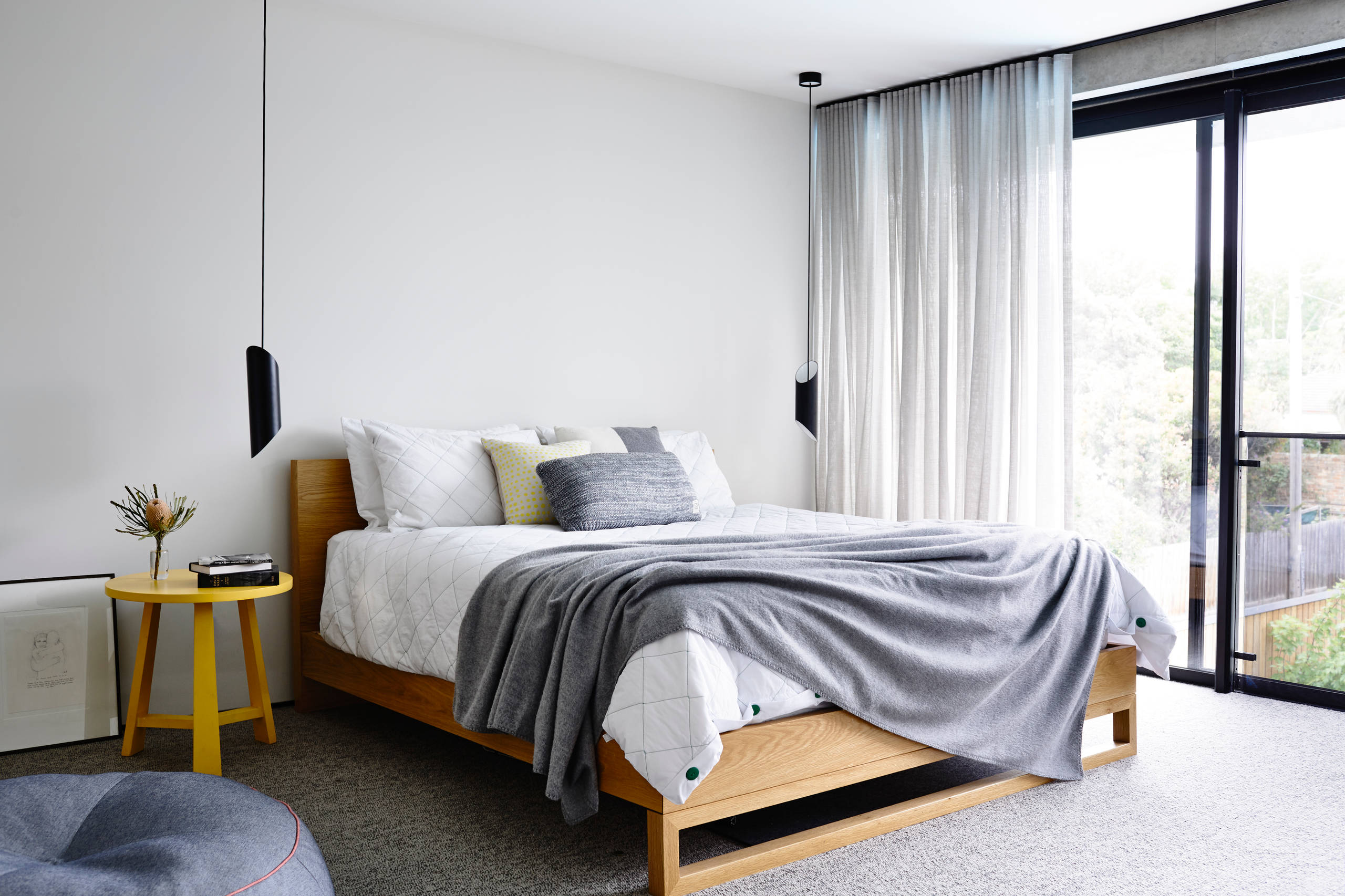
Soft accent colours
Japandi interiors have an understated and muted colour palette. Soft accent colours such as pale pinks, dusty greys and pastel greens are borrowed from the Scandinavian style, while darker tones of indigo and smoky greys add layers and texture. These warm, calming and timeless hues can be incorporated into cushions, rugs, ceramics and upholstery and complement both light and dark timbers.
Japandi interiors have an understated and muted colour palette. Soft accent colours such as pale pinks, dusty greys and pastel greens are borrowed from the Scandinavian style, while darker tones of indigo and smoky greys add layers and texture. These warm, calming and timeless hues can be incorporated into cushions, rugs, ceramics and upholstery and complement both light and dark timbers.
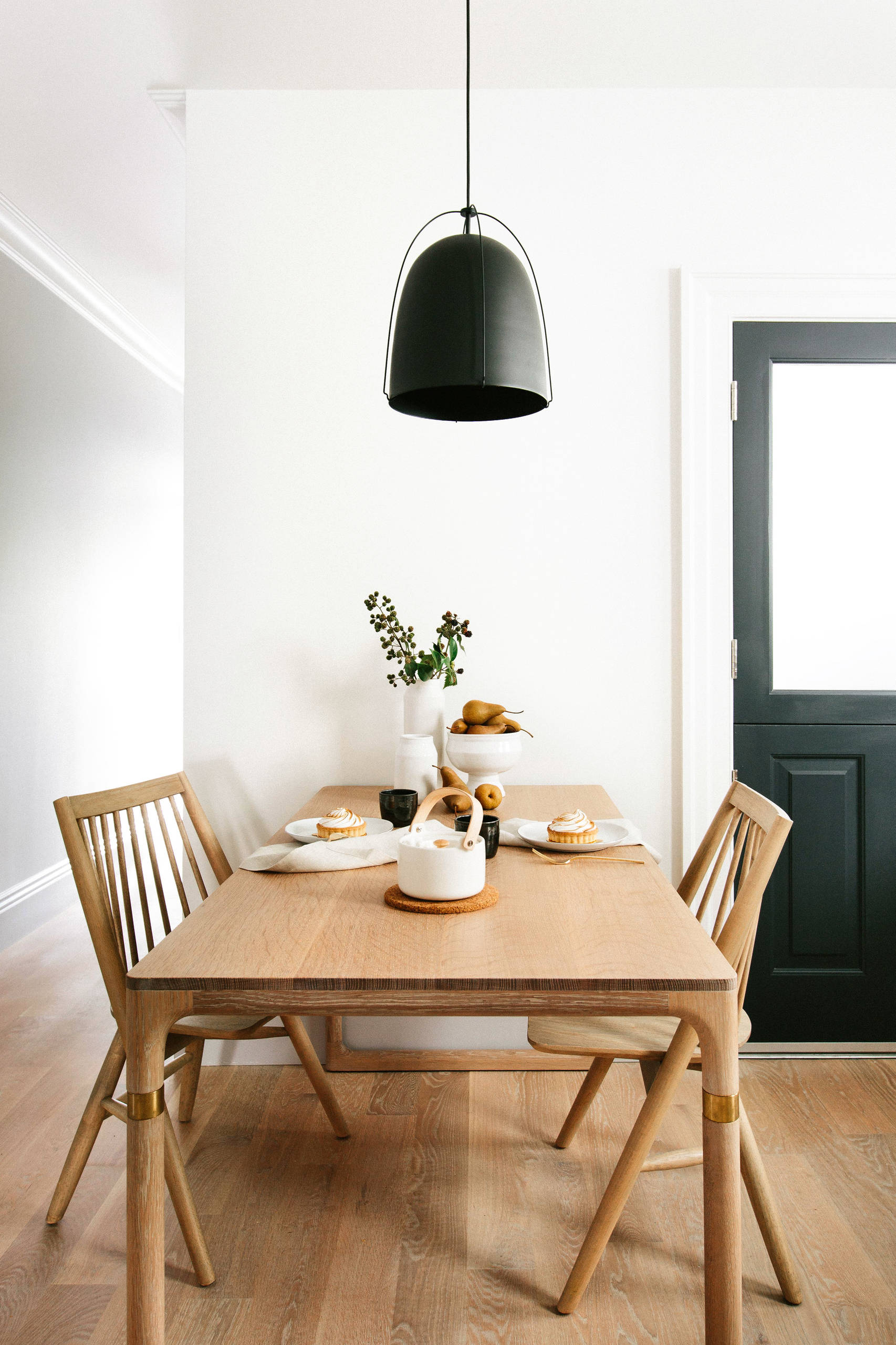
Monochromatic accessories
Black and white accessories, such as ceramics and lamps, add light and dark accents to a Japandi interior, contrasting with and complementing the natural woods.
Browse more Scandi-style interiors
Black and white accessories, such as ceramics and lamps, add light and dark accents to a Japandi interior, contrasting with and complementing the natural woods.
Browse more Scandi-style interiors
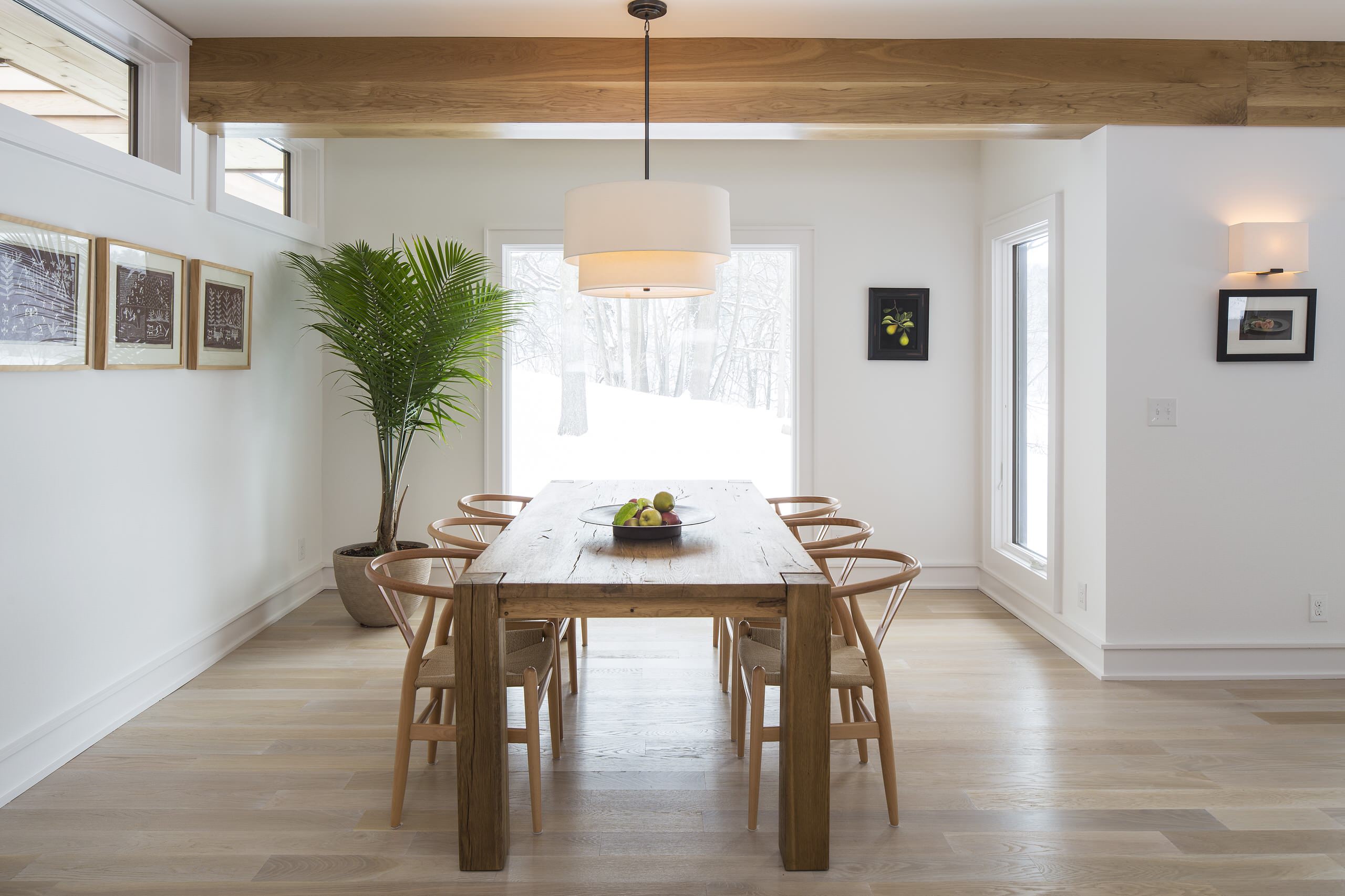
Indoor plants
House plants add vibrant life and colour to a space, and are valued in both Japanese and Scandinavian interiors. Lush, tall trees can serve as statement pieces, creating a focal point in the room while at the same time purifying the air.
Tell us:
If you enjoyed this story, like it, save the photos and share your thoughts below. Join the conversation!

Sponsored
Scandinavian interior design emphasises comfort and functionality with spaces that are light, open and airy to counter the long, dark winters.
Scandinavian interiors are simple and uncluttered, with light timbers and a minimal colour palette. Furniture has clean lines and ergonomic design, and the material palette draws on the inherent qualities of natural resources.