











Comments
Protect the Exteriors of Your Home From Extreme Weather
Avoid costly building repairs by spotting potential problems that may arise due to extreme climate conditions

Pooja Khanna Tyagi
4 December 2019
Houzz India Contributor. An Architect , Interior Designer, Valuer, a Marathon Runner, and love Writing Poetry and Creative Stories on Building Design. Have been practicing since the year 2000 with specialization in the field of Corporate Interiors with projects extensively published in journals of national repute. Recently honoured with the reputed A3 Foundation award for Journalism for the year 2016 an for architectural poetry in the year 2018. Currently practicing and residing in Delhi and Noida.
Website: www.khannaenterprise.com, Email: poojakhanna224@gmail.com, M:9891993392
Houzz India Contributor. An Architect , Interior Designer, Valuer, a Marathon Runner,... More
In the past few years, weather and climate have become a hot topic of discussion – and worry. India has been lately grappling with extreme weather events, such as scorching heat, torrential rain, cloudbursts, floods during monsoon, dust pollution due to major construction work, and air pollution due to carbon emissions by vehicles and stubble burning. It is not only our health but our buildings, too, which are subjected to extreme weather challenges that can cause structural damage and further deteriorate our living conditions. Therefore, it is important to take adequate precautions to ensure proper maintenance of our buildings.
1. Protection from extreme heat
- Paint the exterior walls of the building in white or pale colours so that the surface of the building reflects heat and light, reducing heat gain within the building. Avoid dark colours because they absorb a lot of heat.
- Go for UV films on glass windows, as these films allow the penetration of light and prevent the entry of heat.
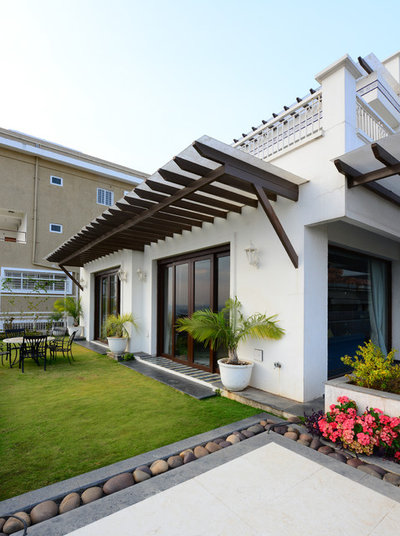
- Also, shade the windows with chhajjas (projections over windows for shade) or introduce awnings over the windows, to prevent heat absorption through the glass windows.
- Keep the roof cool so as to prevent heat gain in the upper floors of the building. This can be done by converting the roof into a highly reflective surface with the application of cool roof paint or the installation of white porcelain or ceramic tiles on the roof.
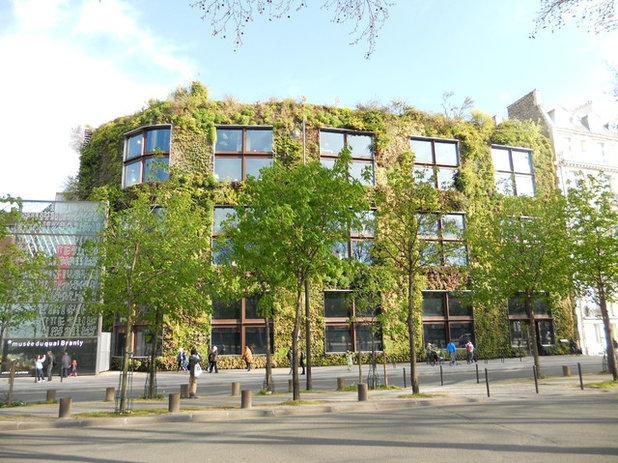
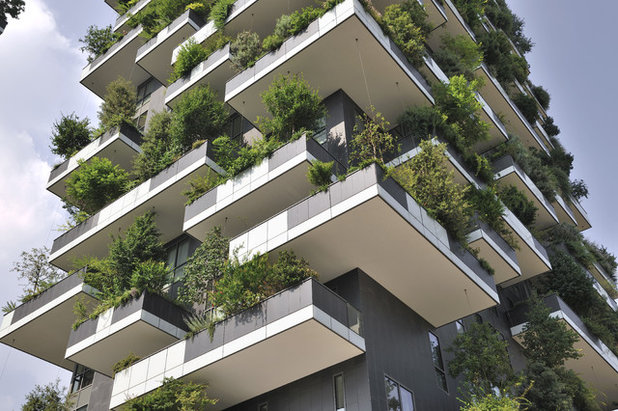
- Consider terrace gardens and vertical gardens on the building, like you see in the image. The transpiration in plants – the water evaporating from plants – reduces the adjacent air temperature around the building. They also screen the building from direct sunlight.
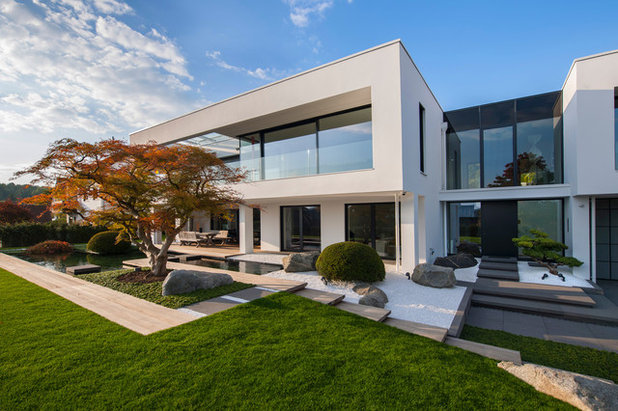
- Protect low-rise buildings from extreme heat by planting trees, such as the Indian coral tree (Erythrina variegate), Indian beech (Pongamia pinnata) and teak (Tectona grandis), along the boundary walls. They shed their leaves in autumn, letting in sunlight in winter, when it is welcome.
2. Protection from heavy rainfall
- Before the arrival of the monsoon, check the roof and walls of the building for any cracks or for missing roof tiles in pitched tiled roofs. Since the cracks may result in water seepage within the interiors, it is important to appoint a reliable contractor who can seal the cracks and give the walls and roof a smooth finish.
- Get the RWP (rain water pipes) checked for any blockages, as these pipes carry water from the roof to the gutter or the rainwater harvesting pit. These pipes should be free from leaves, debris or even plastic waste that might have collected over the year. Note that any blockage in the gutter may cause rainwater to overflow.
- Additionally, rainwater has the tendency to penetrate into the interiors of the building through the cracks between the door and window frames. It is important to waterproof the windows and external doors with weather strips or caulking to make them watertight. Also, waterproof the wooden windows with an exterior wood coating.
- Black mould or peeling paint on the interior or exterior walls of the building could indicate the presence of moisture and dampness within the walls. It is advisable to call an expert to help you to prevent and treat dampness in your home.
- The selection of the right exterior primer and paint plays an important role in protecting the exteriors of the building. Both the primer and paint should be water-repellent and water-resistant so that they do not allow seepage of water into the plaster or the brickwork.
3. Protection from dust and air pollution
- In a recent innovation, some reputed paint brands now also manufacture exterior paint products with dirt-guard technology. The composition of this type of paint does not allow dirt or other dust particles to penetrate the paint film of the building. The dust particles stay on the surface and get washed away with rain water during the monsoon, so the exterior walls have a fresher look for a longer period of time.
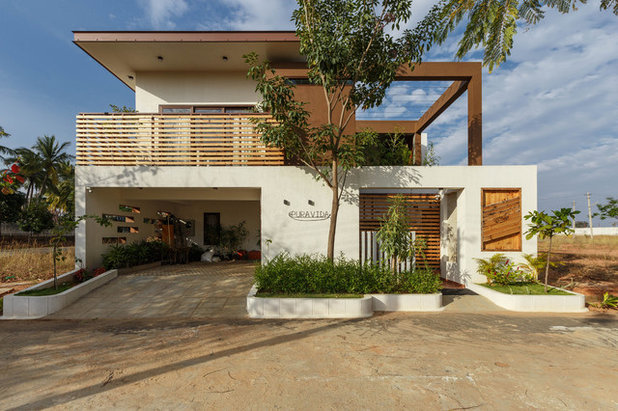
- Grow plants around the building to protect the indoors from air pollution. In this example, the building incorporates skygardens where the abundant vegetation produces oxygen and also helps in absorbing pollutants from the air. Some plants with air-purifying abilities include the spider plant (Chlorophytum comosum), English ivy (Hedera helix), Boston fern (Nephrolepis exaltata), areca palm (Dypsis lutescens) and peace lily (Spathiphyllum wallisii).
25 Exterior Designs: The New Face of Indian Homes
7 Winning Ways to Integrate Wood Into a Building’s Exterior
Tell us:
Is there any other way to protect the exteriors of the building from extreme weather conditions? Share your knowledge in the Comments section below.
What are you working on?
Related Stories

Decorating Guides
7 Expert Tips for a Lush, Green Terrace Garden
A gardening expert gives insightful and essential steps on how to go about setting up a thriving rooftop garden
Full Story
Decorating Guides
5 Best Outdoor Floor Tiles for Homes
Get to know about the most popular types of outdoor floor tiles for balconies and patios
Full Story
Decorating Guides
21 Roof Gardens That Are Heaven on Earth
Divert your mind from chaos and towards serenity as we bring you 20 inspiring terrace gardens from the world over
Full Story
Garden Guides
8 Climbing Plants Great for Indian Balconies & Gardens
Wish to add some vertical interest to your balcony garden? These eight climbers & creepers can be your pick
Full Story
Garden Guides
8 Most Effective Water-Saving Techniques for Your Garden
Is your garden water-conscious? Adopt these strategies to save a precious resource and lower your water bill at the same time
Full Story

Houzz Tours
Delhi Houzz: This Rooftop Barsati Has a Front-Row View to the Stars
The open-to-sky courtyard by Shreya Krishnan Design is an idyllic sit-out that mirrors the moods of the day
Full Story
Garden Guides
Outdoor Plant: A Guide to Growing the Golden Bamboo
Introduce this gorgeous plant in your garden as a soother for sore eyes and tired minds
Full Story

Decorating Ideas
28 Beautiful Entrances That Make a Big Statement Too
By Joanna Tovia
Building or renovating? Don't overlook your front entrance – it's a great opportunity to make a style statement
Full Story

Decorating Ideas
10 Ideas for a Terrace Makeover
Here are tips and suggestions to make good use of the alfresco spaces of your house
Full Story
Architecture
For the Love of Wooden Battens: Why Your Home Needs Them
Traditional timber slats are a great way to add flair and function to modern homes
Full Story