
Kitchen Guides


9 Ways to be More Eco-Friendly in The Kitchen
Here is a definitive guide to help reduce your carbon footprint in the kitchen

“When we heal the Earth, we heal ourselves,” David Orr has famously said. When planning to reduce the carbon footprint of your home, the kitchen is perhaps the best and the easiest area to start with. Adopt these nine simple steps to make your kitchen a bit greener and your home a bit more environment-friendly.

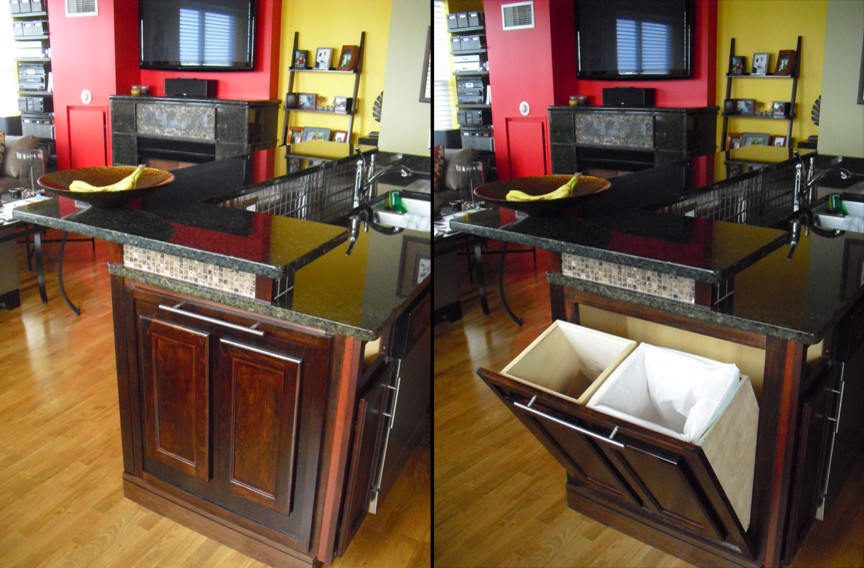
2. Opt for compost
Peels from vegetables and fruits act as a natural compost and provide nutrients to soil. Invest in a composter, which can be stored as per your space requirements. They are easily available in the market and are affordable, too. Composting provides you with chemical-free natural fertilisers. Make the ordeal simple by keeping a separate disposal unit for your vegetable, plant, fruit and other waste, as shown above. Doing so makes it easier to do your composting once a week or as the bin gets full.
Tip: A composter can lead to issues of smells and fumes. So, it’s recommended that you keep it outside of your home. Places like your garden shed or even garage would be ideal.

3. Use smart cooking and prep tips
Juggling work, family and managing the kitchen is tough. But you can easily multi-task and cook smart to save more energy and reduce fuel consumption. So why not cook your tandoori chicken in the oven at the same time as you roast or bake other vegetables? Cooking multiple items together helps reduce energy waste.
Another sensible option is covering food with a lid when boiling or steaming. With a lid, the water temperature rises much faster, which helps conserve gas. Also, pondering around the refrigerator with the door open, wondering what to cook, is a waste of time and energy. Plan out your meal and take out all your ingredients at one go. The more the refrigerator door stays open, the higher the power consumption.
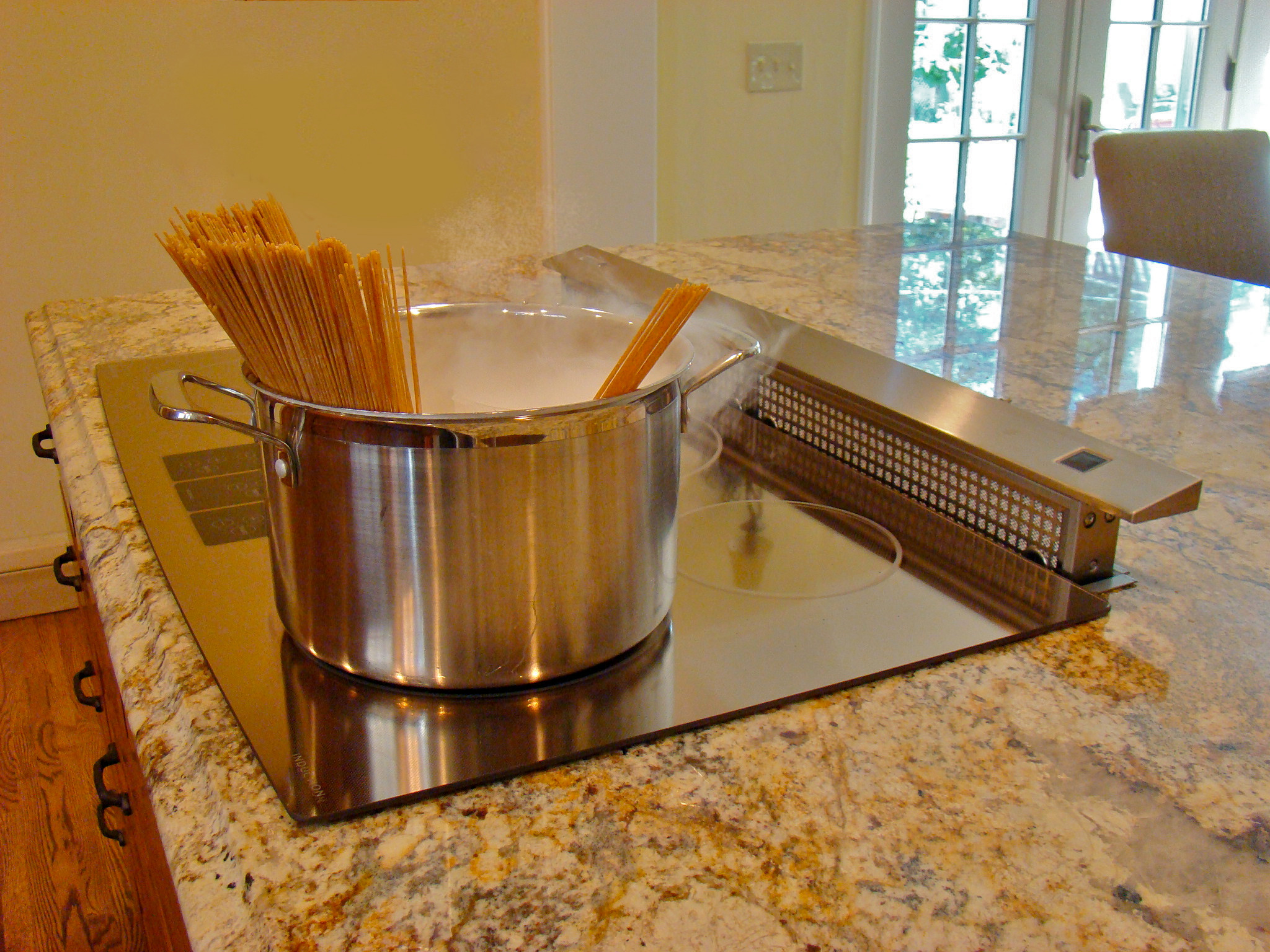
4. Use induction
It is a pain to have your gas conk off right in the middle of the meal. Induction cooktops or electric ranges are energy efficient and are quite easily available now in different price ranges. They are a must-have for your kitchen.
It is a pain to have your gas conk off right in the middle of the meal. Induction cooktops or electric ranges are energy efficient and are quite easily available now in different price ranges. They are a must-have for your kitchen.

5. Recycle and reuse
Recycling and reusing is the mantra for going green in your kitchen. You would be amazed at the little things that can be reused. Take the example of cans and tins. Store your recyclables separately. When it’s time to throw the old, stained spice jars out – bring the saved ones in.
Recycling and reusing is the mantra for going green in your kitchen. You would be amazed at the little things that can be reused. Take the example of cans and tins. Store your recyclables separately. When it’s time to throw the old, stained spice jars out – bring the saved ones in.

Tip: Old bottles can be reused as decorative props in your living room or on your dining table. Be creative and use these for scented candles or fill them with sand or pebbles for a great beach-like effect.

6. Opt for LED or natural light
A brightly-lit kitchen can make a world of a difference. See how natural light floods this kitchen and brightens it up. This is one of the best ways to keep bacteria and mould at bay and keep your kitchen a healthy and a wholesome place. If you don’t have provision for natural lighting, a sensible alternative would be LED. It is cost-effective and provides good illumination.
A brightly-lit kitchen can make a world of a difference. See how natural light floods this kitchen and brightens it up. This is one of the best ways to keep bacteria and mould at bay and keep your kitchen a healthy and a wholesome place. If you don’t have provision for natural lighting, a sensible alternative would be LED. It is cost-effective and provides good illumination.

7. Switch to environment-friendly cleaning products
The traditional Indian way of cleaning the kitchen is greener (and more economical) than you can imagine. Rather than using a paper kitchen roll, why not use cloth-based mops? These can be washed and sun-dried and then re-used. Also, use milder cleansers (or even try home-made ones) with lower chemical content. The solvents of cleaners end up in our rivers and oceans, and pollute the water.
Read on eco-friendly ways to clean your home

8. Eat fresh and minimise wastage
Going green in the kitchen is also about minimising wastage by eating fresh. A packet of frozen peas is convenient but it is lower on the nutrient content. The plastic packaging is also non-biodegradable. On the other hand, fresh peas require a little extra time but everything from the pod to the peel is usable in the kitchen. Canned foods, again, add to environmental waste. Using fresh food reduces the energy required for thawing and provides for higher nutrition. It is budget-friendly, and last but not least, is much lighter on the pocket.
Going green in the kitchen is also about minimising wastage by eating fresh. A packet of frozen peas is convenient but it is lower on the nutrient content. The plastic packaging is also non-biodegradable. On the other hand, fresh peas require a little extra time but everything from the pod to the peel is usable in the kitchen. Canned foods, again, add to environmental waste. Using fresh food reduces the energy required for thawing and provides for higher nutrition. It is budget-friendly, and last but not least, is much lighter on the pocket.
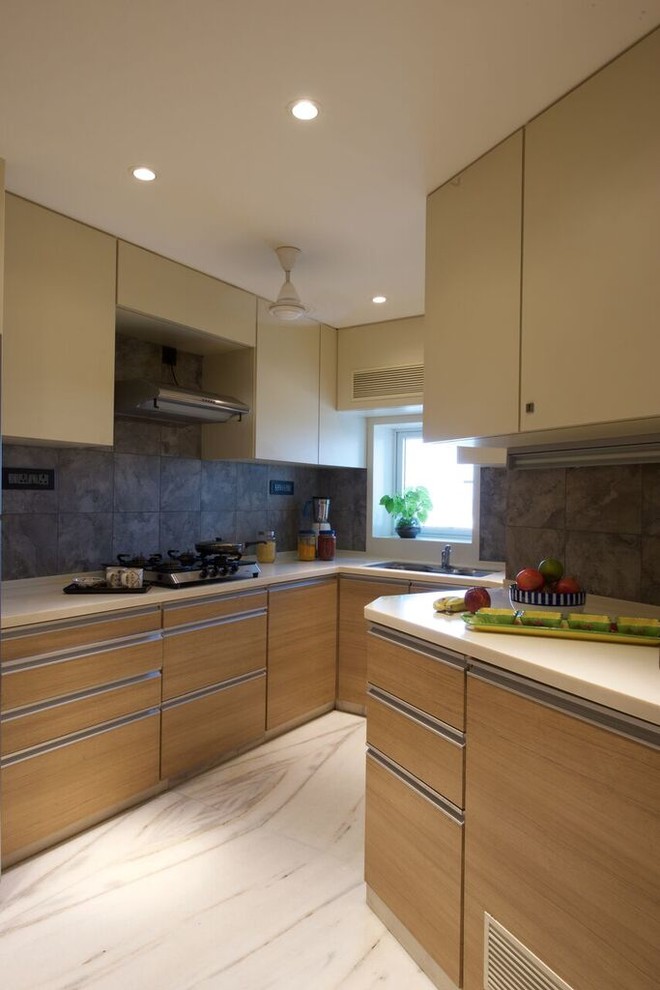
9. Have natural ventilation
Most modern kitchens today have a chimney or an exhaust fan to get rid of strong smells. However, you cannot keep them running 24x7. On the other hand, having windows in the kitchen allows for natural ventilation. Doing so reduces moisture and prevents your from kitchen from getting too stuffy. An airy and naturally lit kitchen encourages positive vibes since there is nothing like sunlight streaming all its goodness into the space.
Read more:
10 Indian Modular Kitchens With Personalities
What’s the Best Material for Kitchen Cabinets?
Tell us:
What are your tips for making our kitchens more eco-friendly? Share in Comments below.

Sponsored
This will help reduce electricity consumption. When you buy an electrical appliance – be it a refrigerator or a microwave – look out for the energy star ratings. The higher the rating, the less electricity your appliance will consume. Anything with 4–5 stars is great. Lower consumption not only implies reduced carbon waste, but also minimises your electricity bills!
Energy-efficient appliances come in innovative styles and designs, especially steel. This contemporary kitchen is a fine example of how you can simplify everyday kitchen chores, without hiking your electricity bills.