

10 Reasons to Say Yes to a Vertical Garden
Vertical gardens form a stunning accent feature and are a must-have for spatially constrained city homes

A vertical garden is also known as a living wall where small indoor or outdoor plants are grown on a freestanding vertical structure or a fixed wall. The process of hydroponics is used for growing these plants – a watery solution of mineral nutrients is used instead of soil. This article will tell you about the benefits of a vertical garden if you plan to incorporate one within your home.
2. Functions as an air purifier
Convert an indoor vertical garden into a natural air purifier by incorporating air purifying plants, because they are a great way to create a clean and healthy indoor environment. They improve the indoor air quality by absorbing harmful VOCs and toxins such as carbon monoxide, benzene, trichloroethylene and formaldehyde.
Convert an indoor vertical garden into a natural air purifier by incorporating air purifying plants, because they are a great way to create a clean and healthy indoor environment. They improve the indoor air quality by absorbing harmful VOCs and toxins such as carbon monoxide, benzene, trichloroethylene and formaldehyde.

3. A soundproof barrier
Another advantage of incorporating a vertical garden is that it blocks low-frequency noise and reduces noise pollution. Therefore, it creates a comparatively quieter environment within the home.
Find a landscape designer to help design your vertical garden
Another advantage of incorporating a vertical garden is that it blocks low-frequency noise and reduces noise pollution. Therefore, it creates a comparatively quieter environment within the home.
Find a landscape designer to help design your vertical garden

4. Regulates indoor temperature
Vertical gardens help in lowering the indoor temperature, as they cause cooling by the process of transpiration and reduce the surrounding temperature. Additionally, a vertical garden absorbs heat and creates a shaded area within the home.
Note: Since water and drainage can be challenging when the plants are indoors, it might be a good idea to go for succulent plants for an indoor vertical garden.

5. Aesthetically pleasing
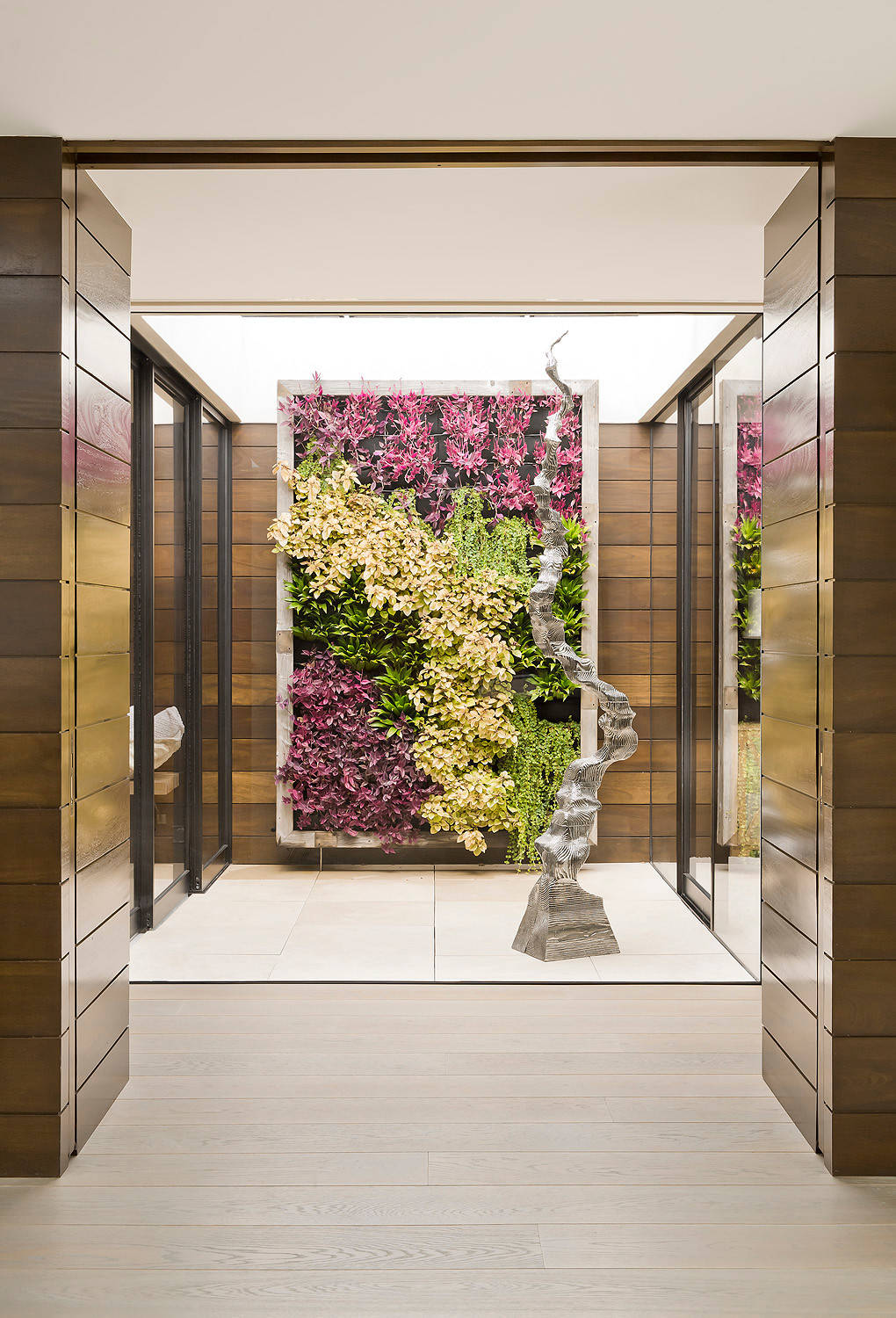
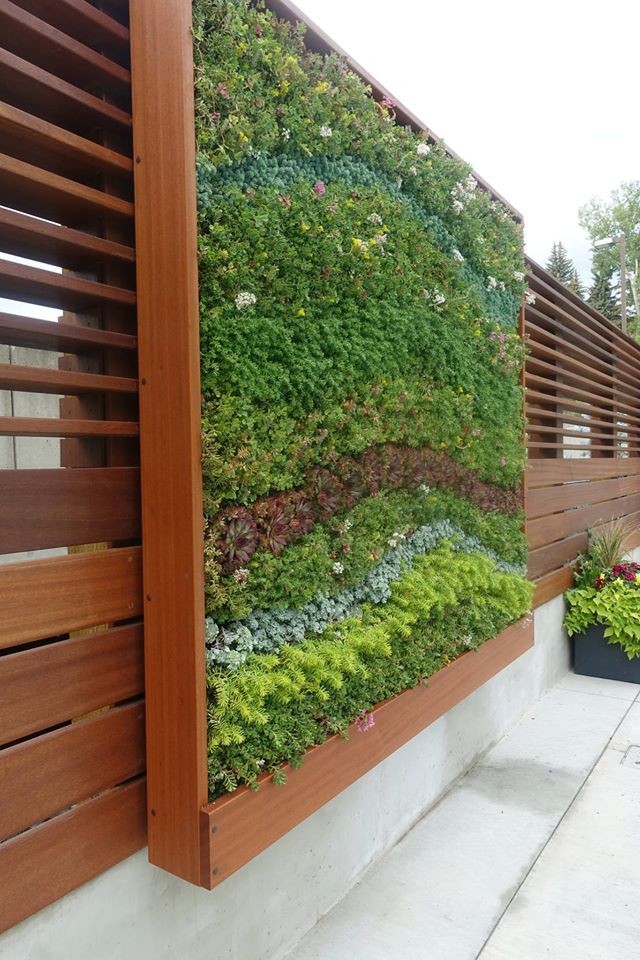
The best part of a vertical garden is that it not only creates a stunning focal point but also adds a lot of colour into the space just as you can see in most the images. In this image, just see how different varieties and colours of plants have been used to create an interesting design pattern.
6. More plant diversity
In a compact space, a vertical garden can incorporate a larger variety of plants, compared to planting horizontally in pots or beds.
Look for more ideas in gardens on Houzz photos
7. Easy to maintain
Vertical gardens are convenient to maintain because they can be easily fertilised, watered and pruned. Also, these gardens are ergonomic because one does not have to frequently bend to take care of the plants (as in a horizontal garden) and there is only one large panel to maintain. Note that since the plants grow vertically, there is minimum damage caused by pets and other animals.
Tip: Avoid creating a vertical garden on a brick wall because water may drip from the plants and cause dampness in the wall. You can opt for surfaces such as concrete or use walls with natural stone or porcelain tile cladding because these surfaces are impervious to moisture.
Search for tiling and cladding options on Houzz

8. Healthier plants
Outdoor vertical gardens will have healthier plants because they get plenty of sunshine and there is good air circulation around the plants. This makes their leaves dry faster and they are protected from fungal growth. Another plus is that the plants are safe from pests, soil-borne diseases and weeds, and one does not need to use pesticides or insecticides on the plants.
Outdoor vertical gardens will have healthier plants because they get plenty of sunshine and there is good air circulation around the plants. This makes their leaves dry faster and they are protected from fungal growth. Another plus is that the plants are safe from pests, soil-borne diseases and weeds, and one does not need to use pesticides or insecticides on the plants.

Note: In places with limited exposure to direct sunlight, the plants above might cast shadows on plants growing lower down, and prevent them from receiving adequate sunlight. Therefore it is advisable to consider shade plants for such vertical gardens.
9. Reduces carbon footprint
Vertical gardens are a great way to reduce the carbon footprint of the home as they absorb carbon dioxide and release oxygen.
9. Reduces carbon footprint
Vertical gardens are a great way to reduce the carbon footprint of the home as they absorb carbon dioxide and release oxygen.
10. Gives a clutter-free look
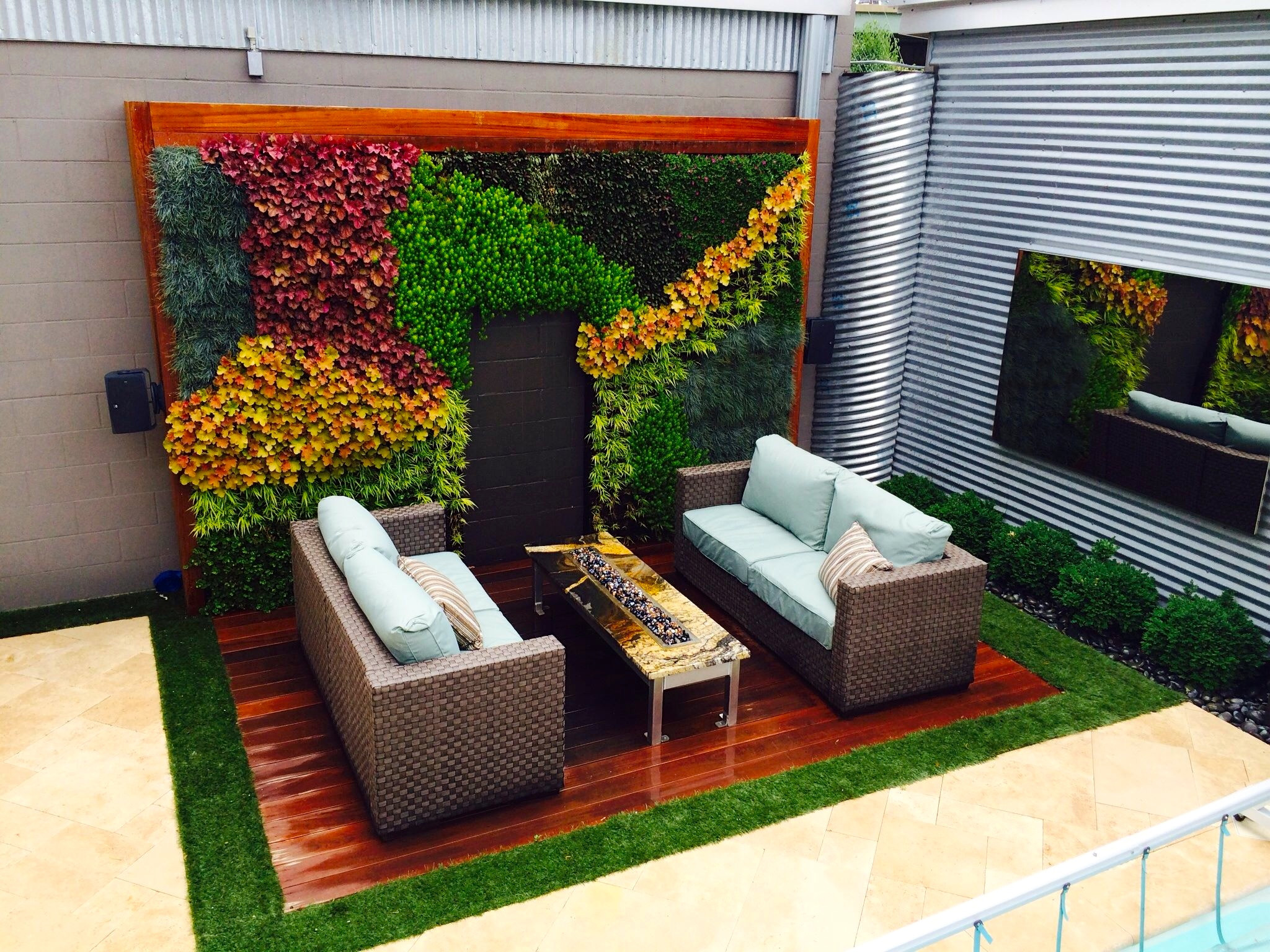
Vertical gardens impart a clean and organised look to the indoors and outdoors while potted plants may look cluttered when they are kept on tabletops and the floors.
Read more:
7 Steps to a Kitchen Garden in a Small Apartment
How to Grow a Blooming Balcony Garden
Tell us:
Have you incorporated a vertical garden in your home? Share your experience in Comments below.

Sponsored
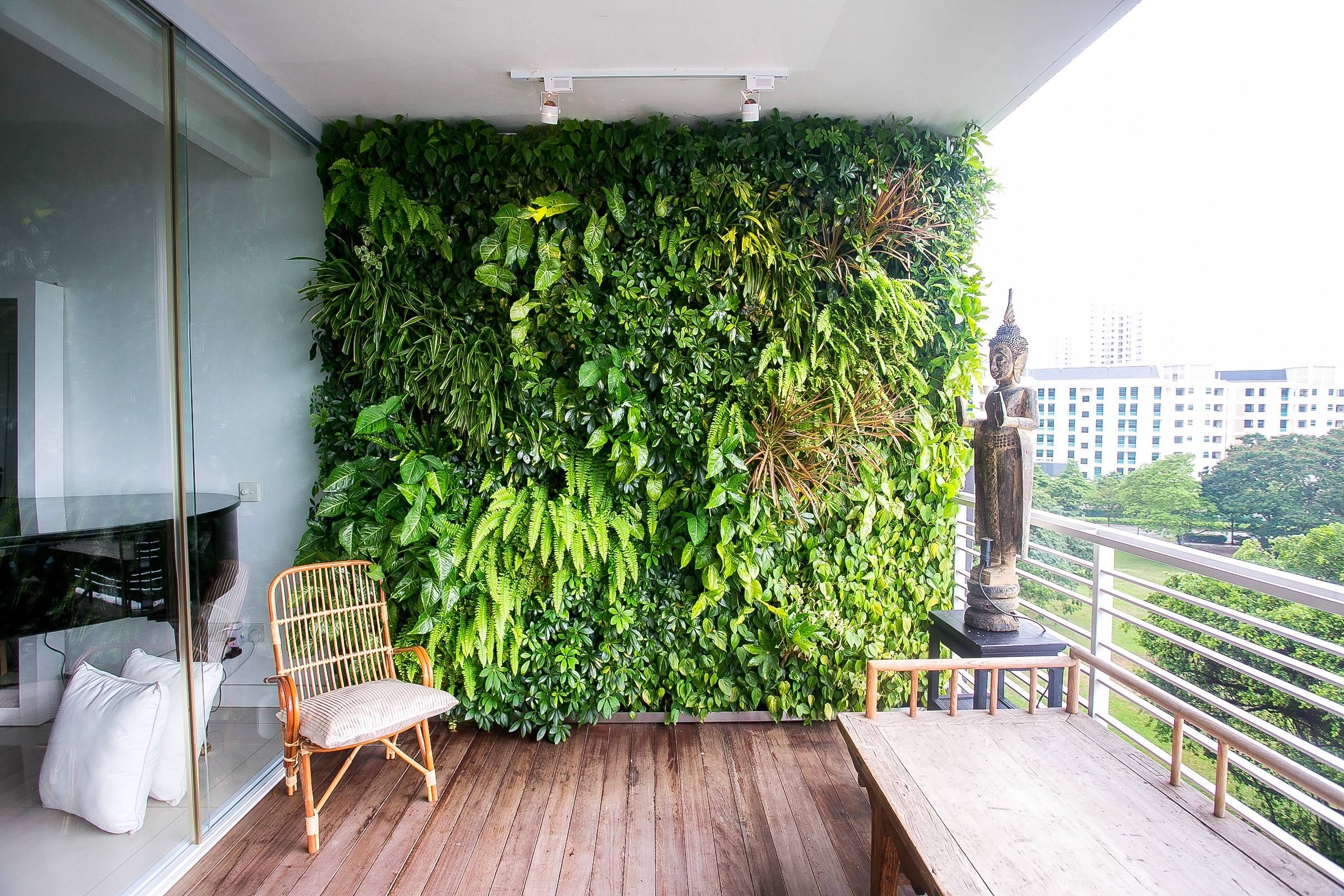
As outdoor space is becoming scarce, a limited wall area can be used to create a vertical garden just as in the image above. Vertical gardens are best suited for areas like the balcony wall, indoors and the backyard. However, one must make sure that the wall gets adequate sunlight through the day.